Download FL Studio for macOS
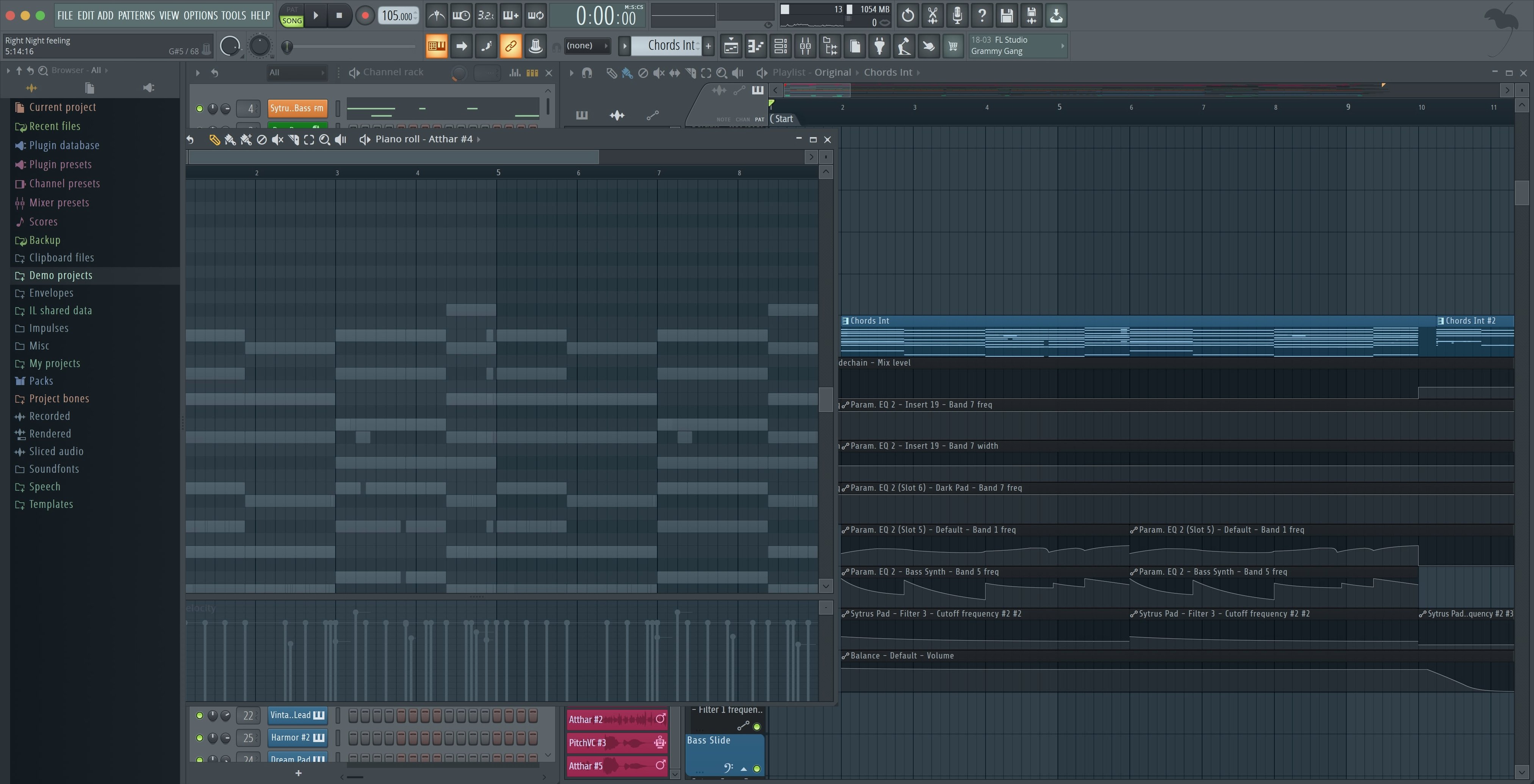
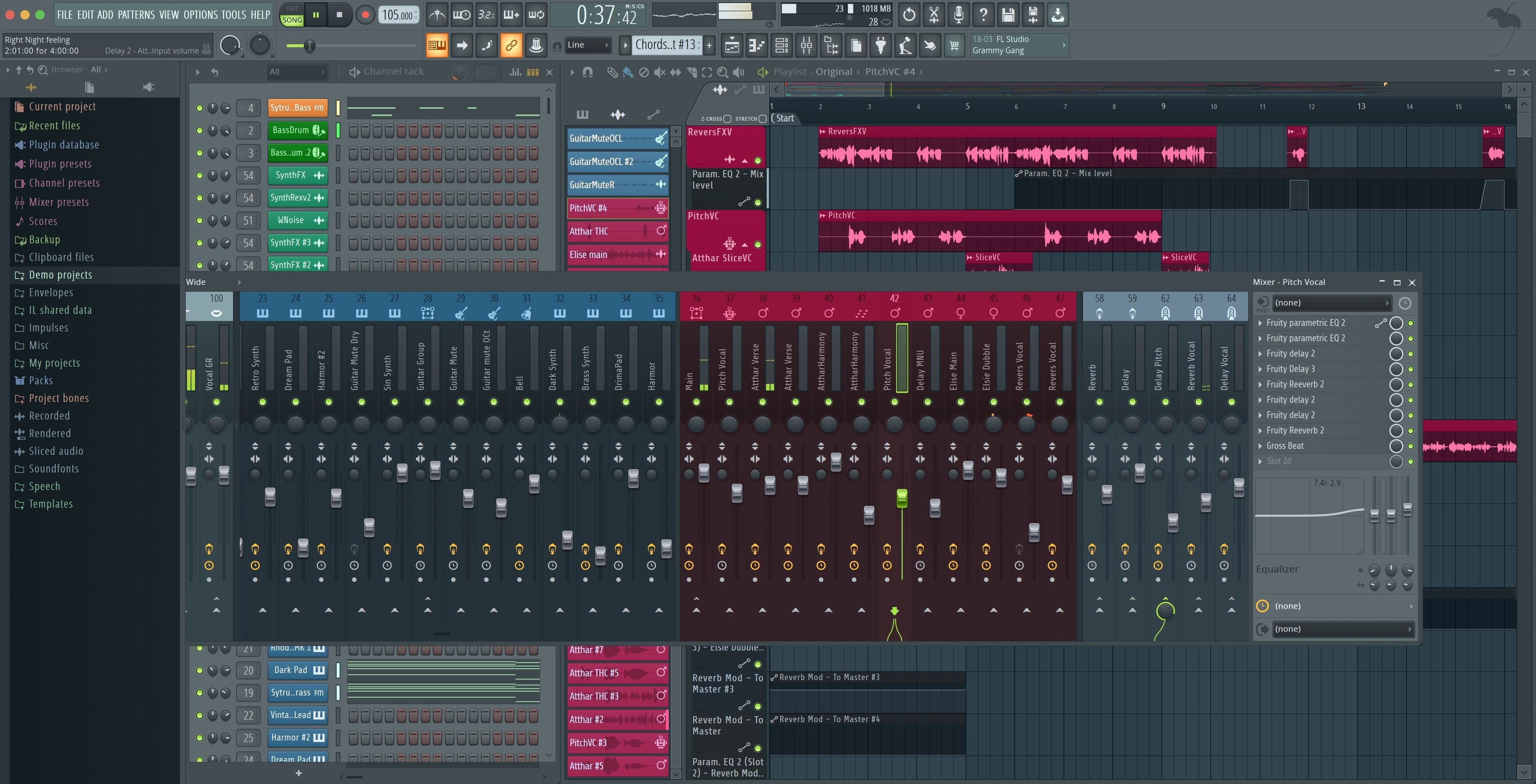
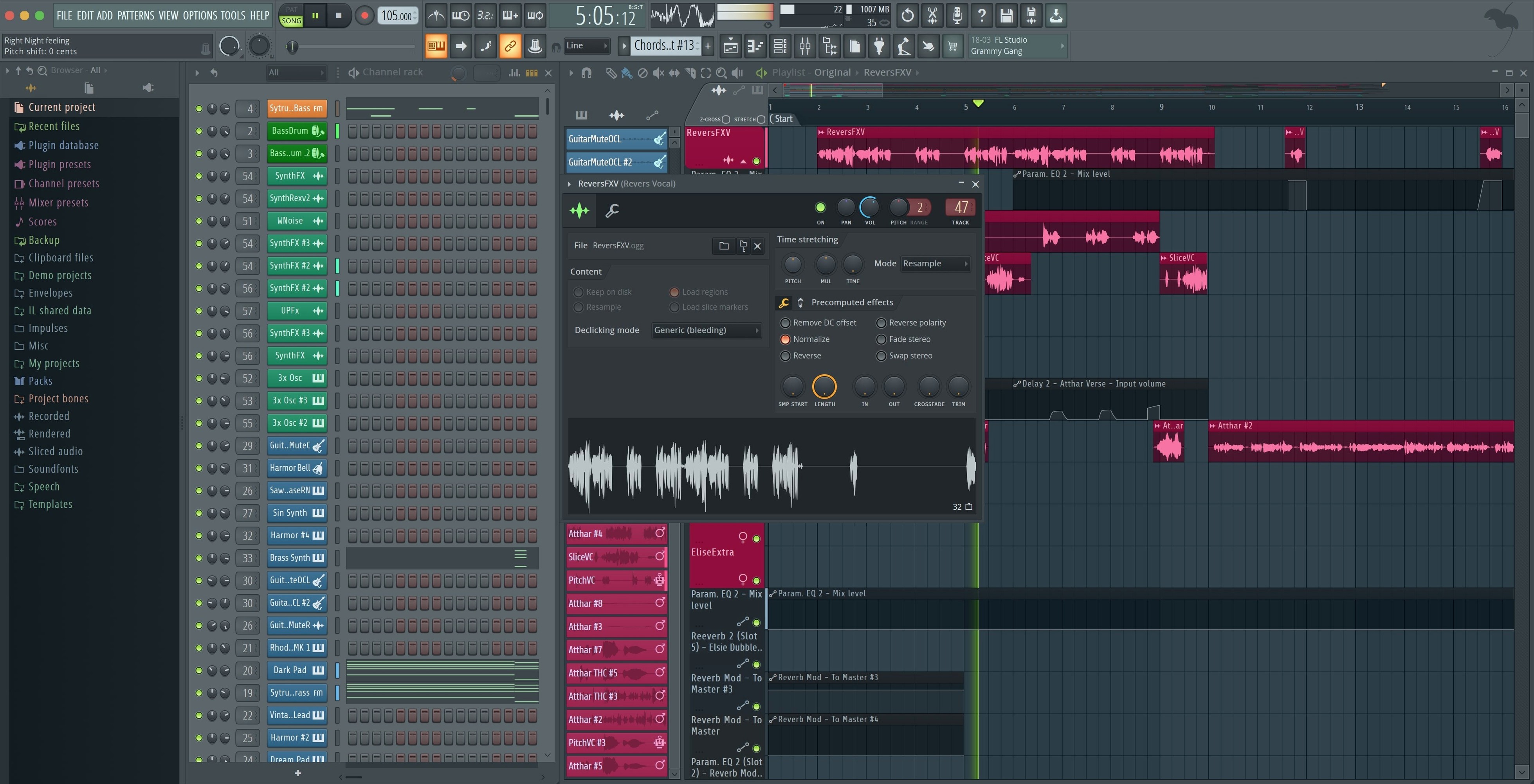
With a 64-bit ARM-native engine under the hood, FL Studio 2026 wakes up just as fast as your other daily Mac apps — no Rosetta translation layer needed. That means the same responsive piano roll, mixer, and plugin rack sit next to Logic or Ableton as a genuinely native citizen.
Sequence and Arrange
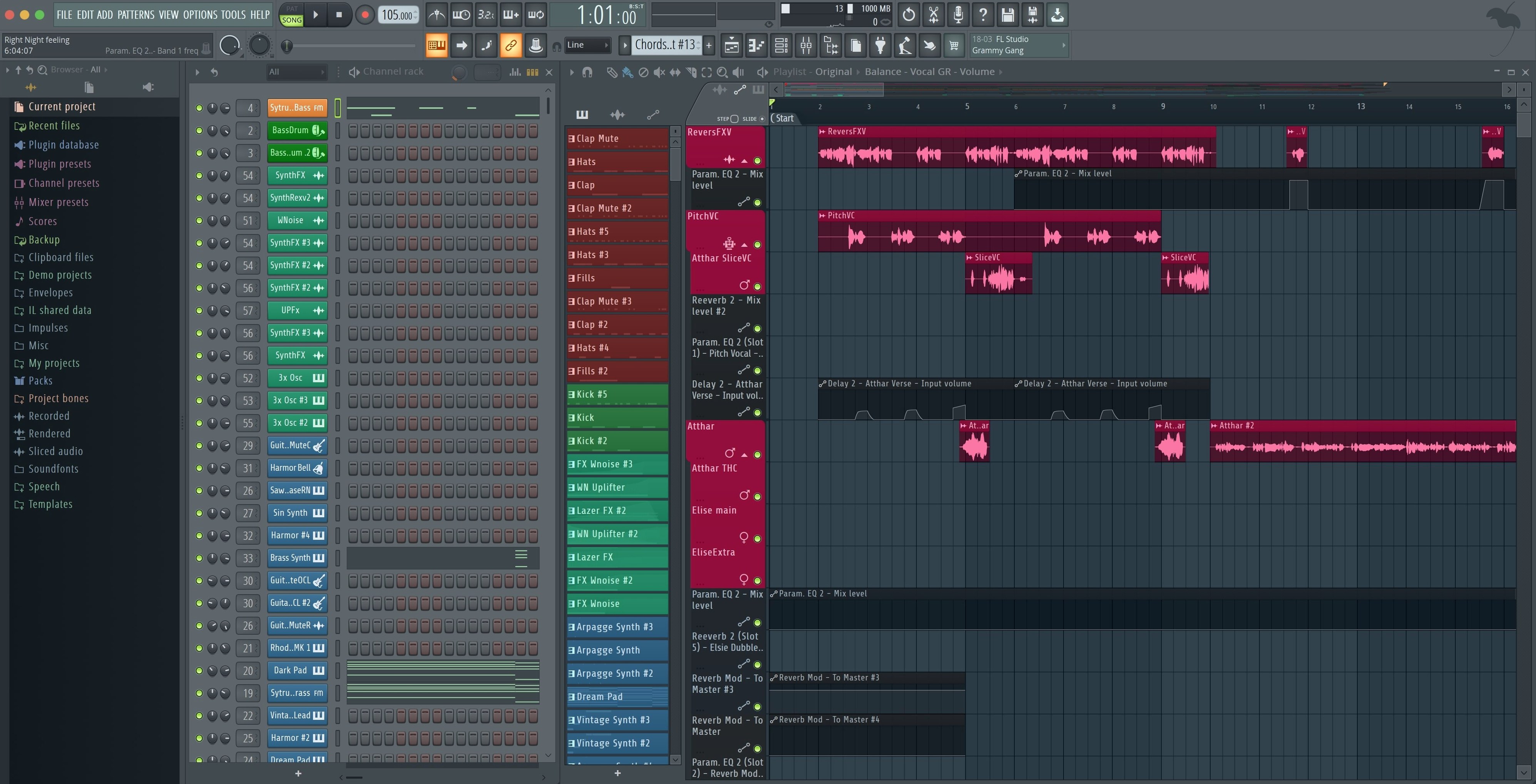
Drop audio and MIDI clips onto the playlist and nudge them with the same drag-and-drop muscle memory your Mac's Finder trained you in. The channel rack keeps drum hits and synth lines in view while you build patterns that stack like layered Photoshop groups.
Tweak Synths and Samples
Load a built-in synthesizer or a third-party VST, then pull up the redesigned Tuner window — the 2026.1.6 update spaced out its display so you can read the pitch from across the room while a guitar sits on your lap.
Export Stems for Other Tools
When the track is ready to move on, the export dialog now gives you dedicated Master and Current checkboxes when splitting mixer tracks. Grab the separated stems and drop them into Final Cut for a video project, or into a mastering session in another DAW without any routing guesswork.
Native ARM Build Keeps the Mixer Lean
Will it run properly on an M1 or M2 Mac? Yes — and without Rosetta. The build is compiled for ARM, so the mixer, plugin rack, and piano roll all execute natively. Memory usage stays lean on Apple Silicon, and plugin scanning feels noticeably snappy compared to Intel-translated DAWs.
Does it support third-party VSTs I already own? Absolutely. Drop your .vst files into the plugin search paths, rescan, and they show up in the channel rack alongside Image Line's own instruments. AU support remains a Windows-only feature, so Mac users stick with VST2 and VST3 — which covers the vast majority of virtual instruments and effects out there.
What if I plug in a MIDI keyboard after launching? The 2026.1.6 update added a notification that pops up the moment a new controller connects, with an option to enable it right there. No digging through preferences mid-session — you can plug in an Akai Fire or a basic USB keyboard and keep working.
Can I trust a version from a torrent or a mac fl studio torrent source? That question usually comes from people who want to test the Producer Edition before committing. The build by GUISEPPE includes activation steps inside the package, and the app behaves exactly as the full desktop version — all instruments, all mixer effects, all export options. No features are walled off behind a login screen.
How big is the download? The package sits around 1.5 GB with bundled instruments and samples, so a decent connection handles it in minutes. Once installed, the app footprint stays reasonable because the sound libraries aren't bloated with filler — you get the core synths, FLEX, and the essential drum kits upfront.
Split Mixer Export Feeds Stems to Logic
FL Studio doesn't demand you abandon your other tools. The split mixer export with Master and Current checkboxes lets you bounce stems straight into Logic for final mastering, or hand dry multitracks to a collaborator who mixes in Ableton. You can also drag rendered audio directly into GarageBand for quick arrangement ideas — no intermediate bounce dialog required.
The FLEX sound search from the 2026 release plays nicely with Finder's tagging system. Save custom patches with descriptive names, tag them in the browser, and Spotlight finds them later when you need that specific bell pad or 808. Cloud project backup means your .flp files sync through iCloud Drive or any folder your Mac already syncs — no proprietary cloud service to manage.
The Plugin Performance Monitor now shows fractional percentages, so when you're running ten instances of Serum alongside a convolution reverb, you can actually spot which plugin is tipping the CPU scale. That precision matters more on a MacBook Air where thermal headroom is tighter than on a Mac Studio.
A Bedroom Producer's Friday Night
Marco makes lo-fi beats in his apartment after his day job as a graphic designer. His setup is modest — a MacBook Air M2, a small Akai Fire controller, and a pair of headphones. He grabbed a fl studio mac os x download earlier in the week after his Windows desktop died, and he needed something that felt familiar on macOS without buying new plugins.
He opens FL Studio and the Fire controller lights up — the 2026.1.6 update now assigns the dedicated script by default, so the pads map to the channel rack drum slots immediately. He loads a FLEX library patch called "Washed Tape Keys," drops a kick and snare pattern into the channel rack, and sketches a four-bar chord progression on the piano roll. The native ARM performance keeps the buffer at 64 samples without crackles, even with a reverb on the master bus.
By midnight he has a full arrangement: intro, verse, chorus, and a filter automation that slowly opens during the bridge. He splits the mixer tracks for export, checks both Master and Current, and bounces the stems. Tomorrow he'll drop them into Final Cut to score a client's brand video — the whole workflow from beat to export stayed inside macOS, no Windows VM required.
Inside a Typical Working Session
You launch the app from the Dock. The browser panel sits on the left, showing your recent projects and the full sound library tree. You start with a blank template — just the channel rack and a default limiter on the master track.
Step one: pick a drum kit from the browser and drag it onto the channel rack. The step sequencer fills with sixteen buttons per channel. You click in a kick pattern on beats one and three, then layer a clap on two and four. Hit play and the pattern loops — the transport controls sit at the top, familiar to anyone who's used a hardware drum machine.
Step two: open the piano roll for a new channel, load a built-in synth like Sytrus or 3x Osc, and sketch a bassline that follows your kick pattern. The piano roll snaps to scale if you enable ghost notes, showing the drum hits as faint vertical lines behind your melody — helpful for lining up rhythmic accents without switching windows.
Step three: add effects. Drag an EQ onto the kick channel in the mixer, pull up the low end around 60 Hz, then send the snare to a reverb bus. The mixer's routing works like a physical console — each insert slot takes VSTs in series, and the send knobs bleed signal to auxiliary tracks without duplicating the dry sound.
Step four: arrange the patterns on the playlist. You paint the intro pattern across four bars, drop the verse pattern next, and use the slice tool to trim a fill pattern into a two-beat transition. Automation clips sit below the audio tracks — draw a volume fade or a filter cutoff curve and it locks to the timeline.
Step five: final check with the Plugin Performance Monitor. You open it from the View menu, watch the fractional readouts, and spot a convolution reverb eating 14.3% of the CPU. You freeze that track with a right-click, and the load drops to near zero. The session stays smooth on a base-model MacBook Air.
Step six: export. You open the render dialog, choose "Split mixer tracks," check Master and Current, pick a destination folder, and hit start. Thirty seconds later the stems are ready — named, numbered, and lined up in Finder, ready for whatever comes next.
The 2026.1.6 maintenance release sharpens a handful of everyday corners:
- The export dialog now includes Master and Current checkboxes when splitting mixer tracks, so stem renders match what you actually hear.
- Plugin Performance Monitor percentages gained fractional precision, making it easier to spot small CPU spikes.
- A notification pops up whenever you connect a new MIDI controller, with a quick enable toggle right there.
- macOS 10.15 Catalina or later
- Apple Silicon or 64-bit Intel Mac
- No Rosetta required on Apple Silicon
- Interface language: English
Questions people ask
Does FL Studio 2026 run on Apple Silicon Macs?
Yes, it runs natively on Apple Silicon and 64-bit Intel Macs without needing Rosetta, supporting macOS 10.15 Catalina and later.
What happens when I plug in a new MIDI controller?
The 2026.1.6 update shows a notification when a new controller is connected, letting you enable it right there instead of hunting through settings.
Can I use VST plugins from other developers?
Absolutely, FL Studio supports VST plugins alongside its own built-in synthesizers, samplers, and instruments.
Also on readers' docks
Sign in or create an account to leave a comment.
No comments yet. Tell me how it got on with your other devices.