









Download VMware Fusion Pro for macOS
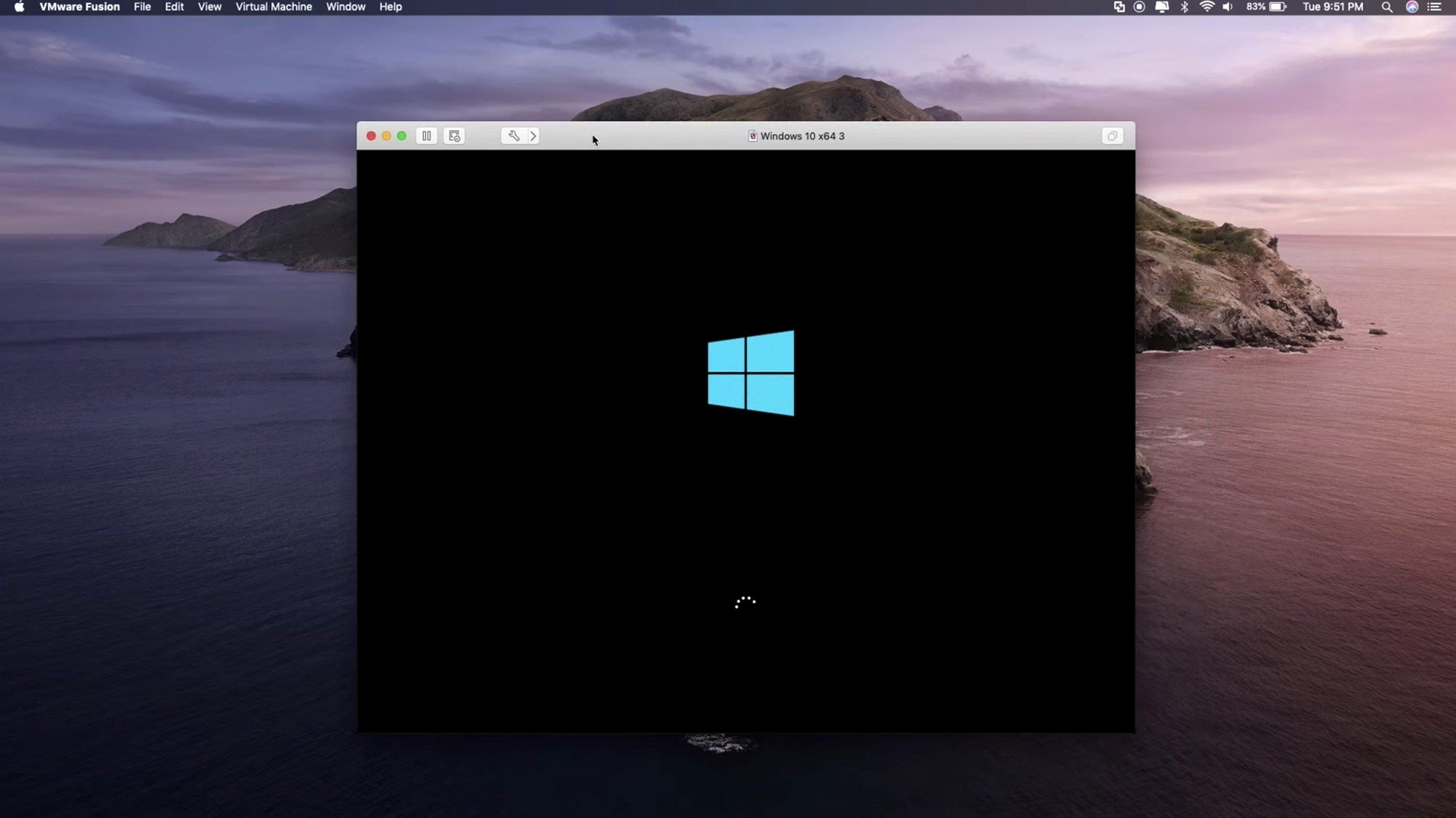
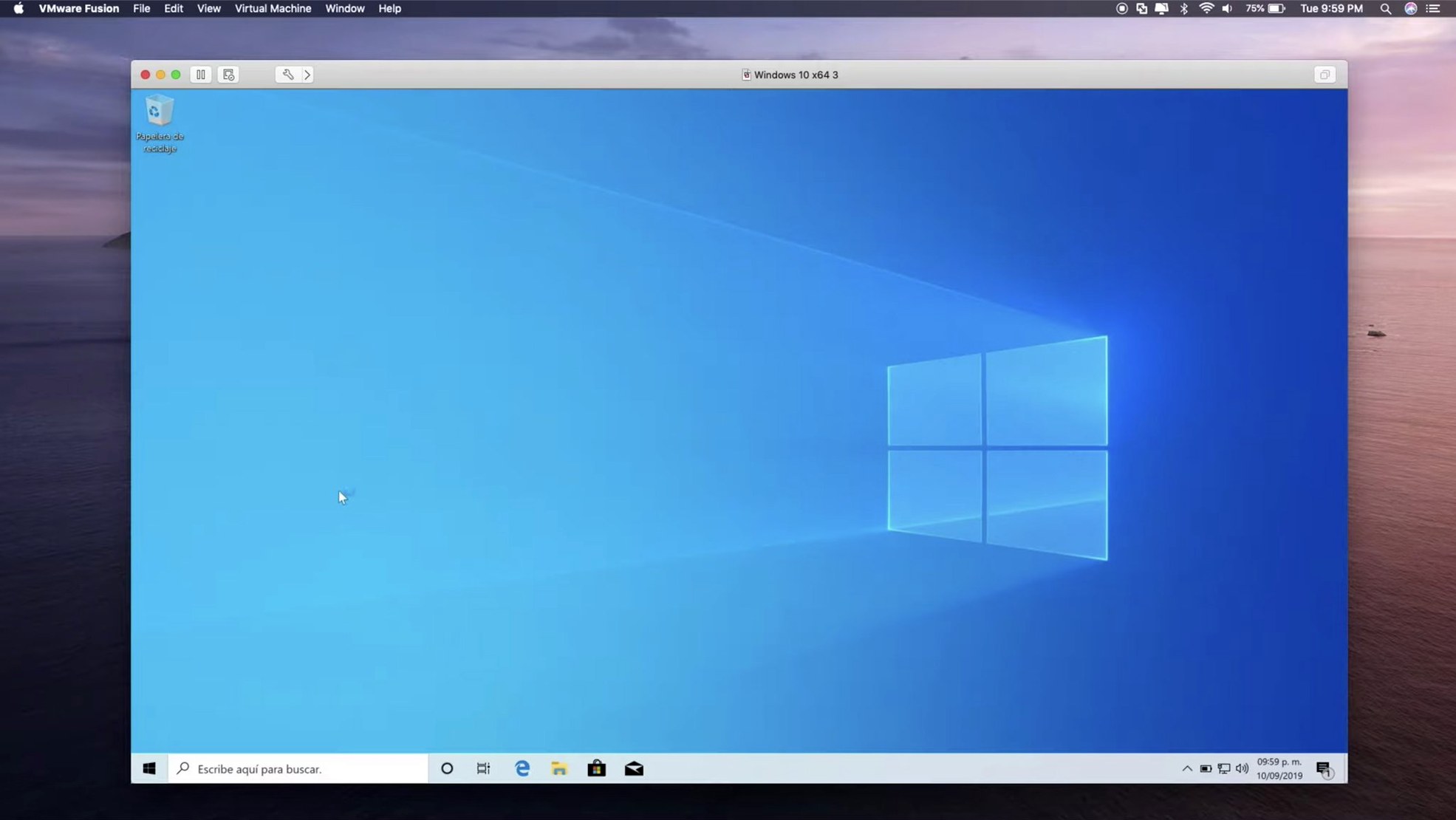
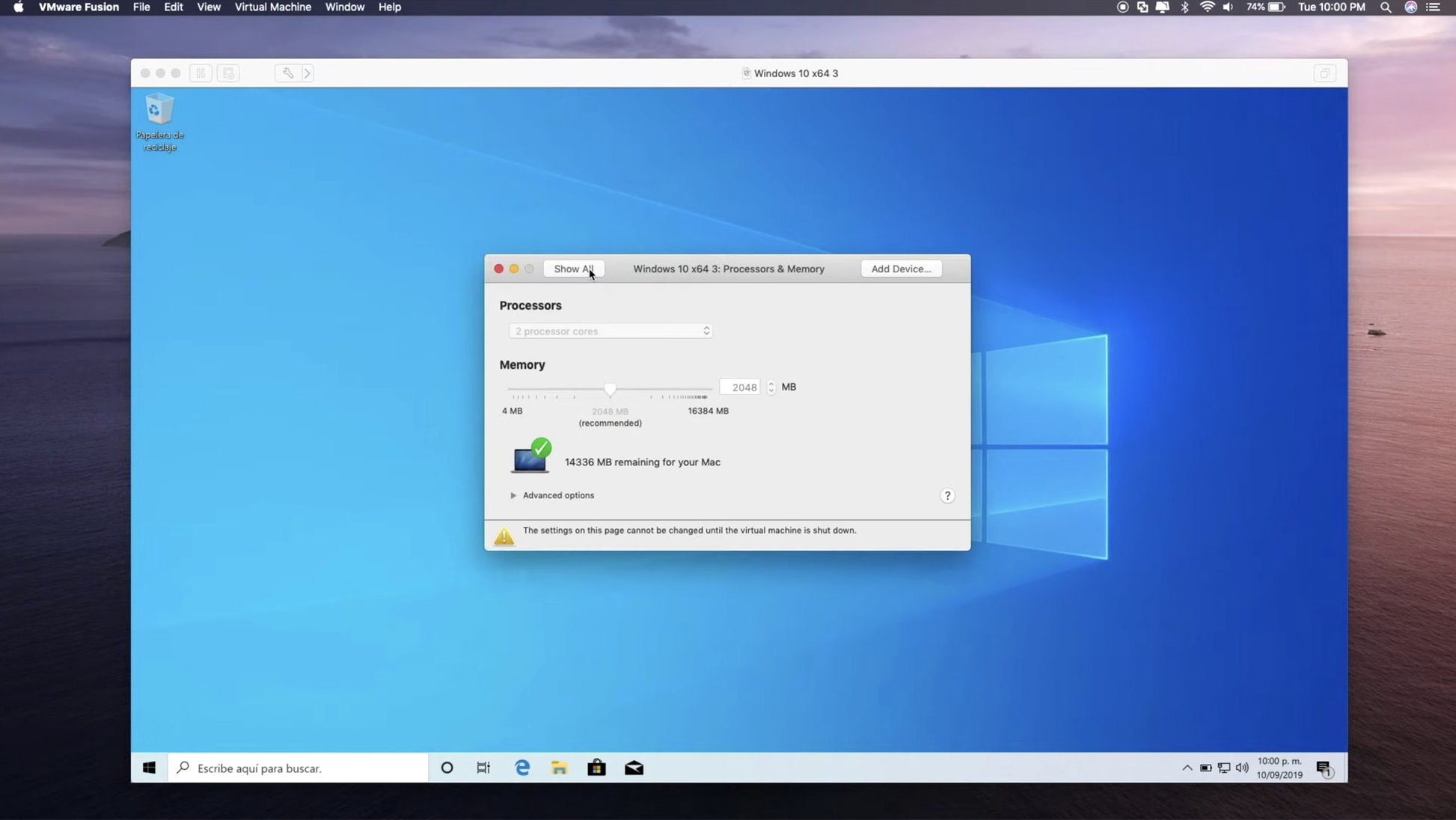
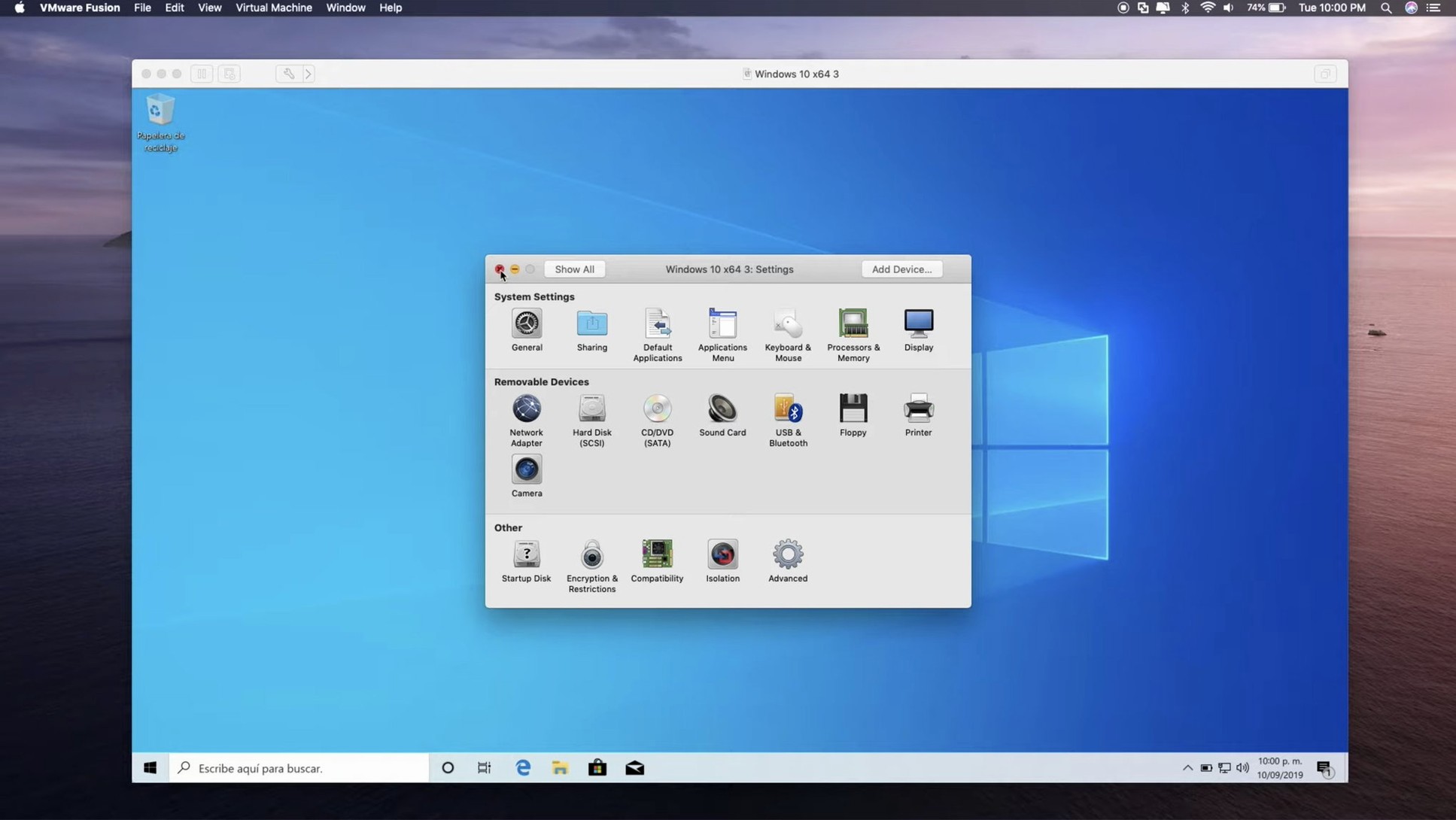
Fusion Pro has always been the go-to for developers, IT pros, and tinkerers who need a full Windows desktop sitting alongside their Mac apps without a second computer on the desk. You'll spot it in a web developer's workflow testing Edge on Windows 11, or a sysadmin spinning up a local Linux server to mirror production. The 26H1 update doubles down on that crowd, adding remote connections to ARM-based ESX hosts so managing virtual infrastructure from a MacBook feels completely natural.
On the compatibility front, this release welcomes a fresh batch of modern guests: Ubuntu 26.04 LTS, Fedora 43 and 44, openSUSE 16.0, SUSE Linux Enterprise 16, and FreeBSD 15.0. For anyone hunting a reliable way to grab a fusion torrent that actually lines up with this build, knowing the supported OS list is half the battle. The other half is hardware — DirectX 11 acceleration still makes Windows 10 VMs feel surprisingly snappy for older business tools or light CAD work, even on Apple Silicon.
Where Fusion fits next to your daily-driver apps is what makes it click. I'll keep UTM around for quick ARM Linux experiments, but Fusion Pro is what I reach for when USB 3.1 passthrough, nested Kubernetes clusters, and a no-excuses Windows 11 VM all need to hum along on the same Mac. It's the heavy lifter that doesn't pretend to be a casual consumer toy.
How Fusion Pro Stacks Up Against the Alternatives
Parallels Desktop gets the headlines, and it earns them with buttery Coherence mode and a setup wizard that practically holds your hand. But Fusion Pro's strength is depth, not polish. Where Parallels nudges you toward consumer-friendly defaults, Fusion gives you the knobs: custom virtual networks, per-VM disk provisioning tied to vSphere templates, and a networking editor that doesn't hide the tricky bits behind a "smart" assistant. If you maintain a homelab or remote into ESX hosts regularly, that difference alone tips the scales.
UTM, the open-source darling built on QEMU, has a different appeal. It's free, lightweight, and absolutely my first pick when I want to spin up an obscure ARM Linux distro in thirty seconds flat. But UTM's graphics acceleration story is rougher, USB passthrough is less forgiving, and nested virtualization — the kind you need for local Kubernetes clusters or running Hyper-V inside a Windows guest — is Fusion Pro's territory. They complement each other nicely rather than competing head-to-head.
VirtualBox sits somewhere in the middle, but its macOS host support has felt like an afterthought for years. The interface looks dated, Apple Silicon support arrived late and with caveats, and performance under heavy I/O loads lags noticeably behind both Fusion and Parallels. If you're grabbing a vmware fusion mac full package to replace VirtualBox, expect quieter fans and faster snapshots right out of the gate.
Swipe Between macOS Spaces with Command-T Full Screen
- Command-T snaps to full screen — not just windowed full screen, but a proper macOS Space that you can three-finger swipe between. Most people hunt through the View menu while this shortcut sits unused.
- The Virtual Machine Library folder supports drag-and-drop reordering. If you run five VMs weekly and two occasionally, drag the frequent ones to the top and they'll appear first in the list every time.
- Holding Option while clicking the Fusion icon in the Dock reveals recent VMs, letting you launch a specific guest without opening the library first.
- Custom keyboard profiles live under Preferences > Keyboard & Mouse. If you remap Caps Lock to Escape inside macOS but need it as Caps Lock inside Windows, Fusion lets you set per-VM overrides that switch automatically on focus.
- Snapshot thumbnails in the Snapshots panel show a miniature screenshot of the VM state. Right-click any snapshot and choose "Show in Finder" to grab the actual .vmsn file for external backups.
A Developer Workflow: Testing a Web App Across Three Browsers
Suppose you're building a dashboard that needs to work on Chrome, Edge, and Firefox — but you need Edge's Windows-specific font rendering and Firefox's Linux behavior, not the macOS versions. With Fusion Pro, this becomes a single-screen operation without juggling three physical machines or relying on cloud testing services that lag during rapid iteration.
Start by powering on your Windows 11 VM and your Ubuntu 26.04 VM simultaneously. Fusion's resource management handles this gracefully on Apple Silicon, especially if you've capped each VM at 4 GB RAM. Inside the Windows guest, open Edge and point it at localhost:3000 — Fusion's shared networking lets the guest reach your Mac's dev server without port forwarding tricks. In the Ubuntu VM, launch Firefox and do the same. Chrome runs natively on the Mac side.
Now you've got three browsers, three rendering engines, all visible across two Spaces. Use the three-finger swipe to bounce between them. Spot a layout bug in Edge? Fix it in VS Code on the Mac, hit save, and refresh all three environments in seconds. When you're done, suspend both VMs — Fusion writes their state to disk and frees up memory instantly, ready to resume where you left off tomorrow.
Option-Click the Dock Icon for Your Four Most Recent VMs
It's 9:15 AM and I've just sat down with coffee. I click the Fusion icon in the Dock while holding Option, and a menu drops down showing my four most recent VMs. I pick the Windows 11 dev machine. It was suspended last night, so it resumes in about eight seconds — faster than my monitor wakes from sleep.
While Windows stretches across my external display, I notice the new timestamp feature in the library sidebar shows exactly when I created this VM and when I last powered it on. Small thing, but when you maintain a dozen test environments, knowing which clone is two months stale versus last week's matters.
I need to quickly grab a download vmware fusion 13 reference for a colleague who's setting up a matching environment on his Intel Mac. We keep a shared note with build numbers and guest OS compatibility matrices, and this 26H1 release's expanded Linux support means his older Fusion 13 notes need updating. I copy the guest OS list from the release notes while the Windows VM finishes loading.
By 9:20, I've got PowerShell open inside Windows running a local API server, and I'm SSH'd from macOS Terminal into an Ubuntu 26.04 VM that's humming along in the background. Fusion's virtual network adapter treats them as neighbors on the same subnet, so they talk to each other directly. I drag a log file from the Windows desktop onto a Finder folder — shared folders are bidirectional and need zero configuration beyond toggling them on in the VM settings.
Around 10:30, I fire up a third VM running Fedora 44 specifically to test a containerized build that relies on newer kernel features. Three VMs, two Spaces, one MacBook, and the fans are barely audible. That's the quiet competence Fusion Pro brings to a working morning — no drama, no "optimizing performance" pop-ups, just the operating systems I need, running where I need them, until I suspend them all for lunch.
Version 26H1 brings a practical mix of new guest OS support and infrastructure tools:
- Fresh guest support for Ubuntu 26.04 LTS, Fedora 43, Fedora 44, SUSE Linux Enterprise 16, openSUSE 16.0, and FreeBSD 15.0.
- You can now connect remotely to ARM-based ESX hosts, perfect for home-lab Macs.
- Timestamps for virtual machine creation and last power-on time help track long-running environments at a glance.
- macOS 13 or later
- Apple Silicon or Intel 64-bit processor
Questions people ask
Does VMware Fusion Pro 26H1 run on Apple Silicon Macs?
Yes, it supports both Apple Silicon and Intel 64-bit Macs, so you can run Windows and other operating systems natively on your current Mac hardware.
What new guest operating systems can I run with this update?
The 26H1 release officially adds support for Ubuntu 26.04 LTS, Fedora 43 and 44, SUSE Linux Enterprise 16, openSUSE 16.0, and FreeBSD 15.0.
Can I use DirectX 11 in a Windows virtual machine on my Mac?
Absolutely. Fusion Pro provides DirectX 11 hardware acceleration for Windows 10 VMs, which is great for running older engineering software or games.
Also on readers' docks
Sign in or create an account to leave a comment.
No comments yet. Tell me how it got on with your other devices.
More in Mac Apps
See all ViWizard Spotify Music Converter
2.17.0 Mac Apps
7 MB
ViWizard Spotify Music Converter
2.17.0 Mac Apps
7 MB
 VideoProc Converter
6.6 Mac Apps
86 MB
VideoProc Converter
6.6 Mac Apps
86 MB
 VideoProc Converter AI
8.12 Mac Apps
254 MB
VideoProc Converter AI
8.12 Mac Apps
254 MB
 VideoByte BD-DVD Ripper
2.1.6 Mac Apps
124 MB
VideoByte BD-DVD Ripper
2.1.6 Mac Apps
124 MB
 WALTR PRO
4.0.122 Mac Apps
29 MB
WALTR PRO
4.0.122 Mac Apps
29 MB
 Vibe Island
1.0.51 Mac Apps
18 MB
Vibe Island
1.0.51 Mac Apps
18 MB
 Viaduct
1.3.0 Mac Apps
49 MB
Viaduct
1.3.0 Mac Apps
49 MB
 Vector Magic
1.20 Mac Apps
17 MB
Vector Magic
1.20 Mac Apps
17 MB