
Download CloudMounter for macOS
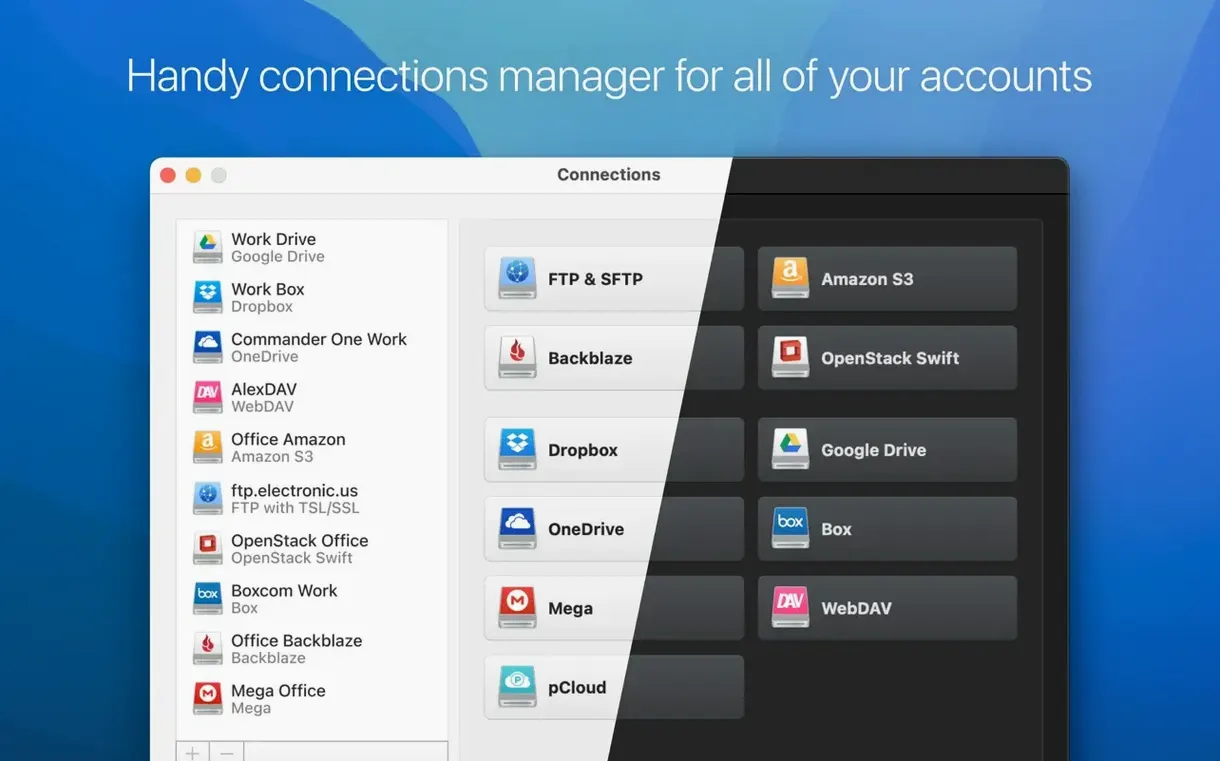
A photographer I know keeps her active Lightroom catalog on an external SSD, but her finished client galleries live across three different cloud services. She got tired of juggling browser tabs and sync folders, so she started looking at something that would let her browse everything right from Finder — which is exactly when people start searching for a CloudMounter torrent to test the waters.
Files stay in the cloud, nothing auto-downloads
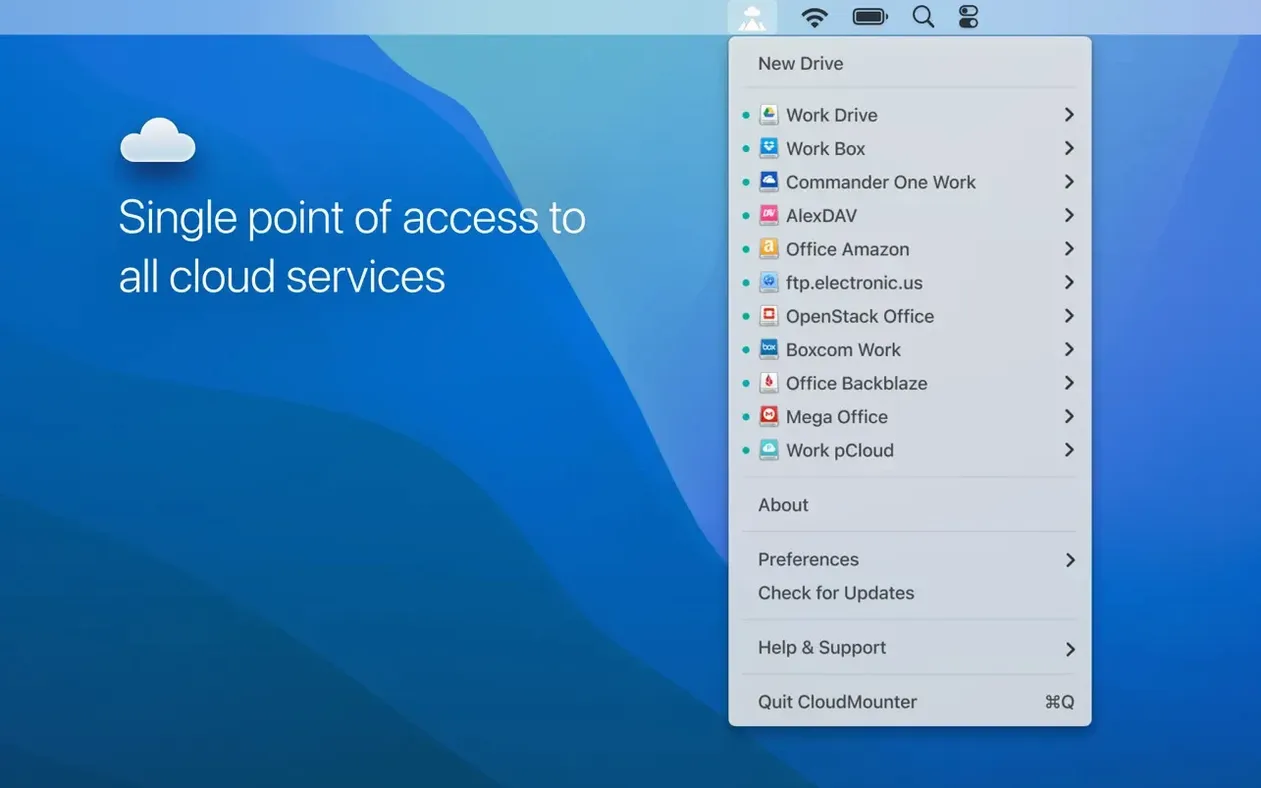
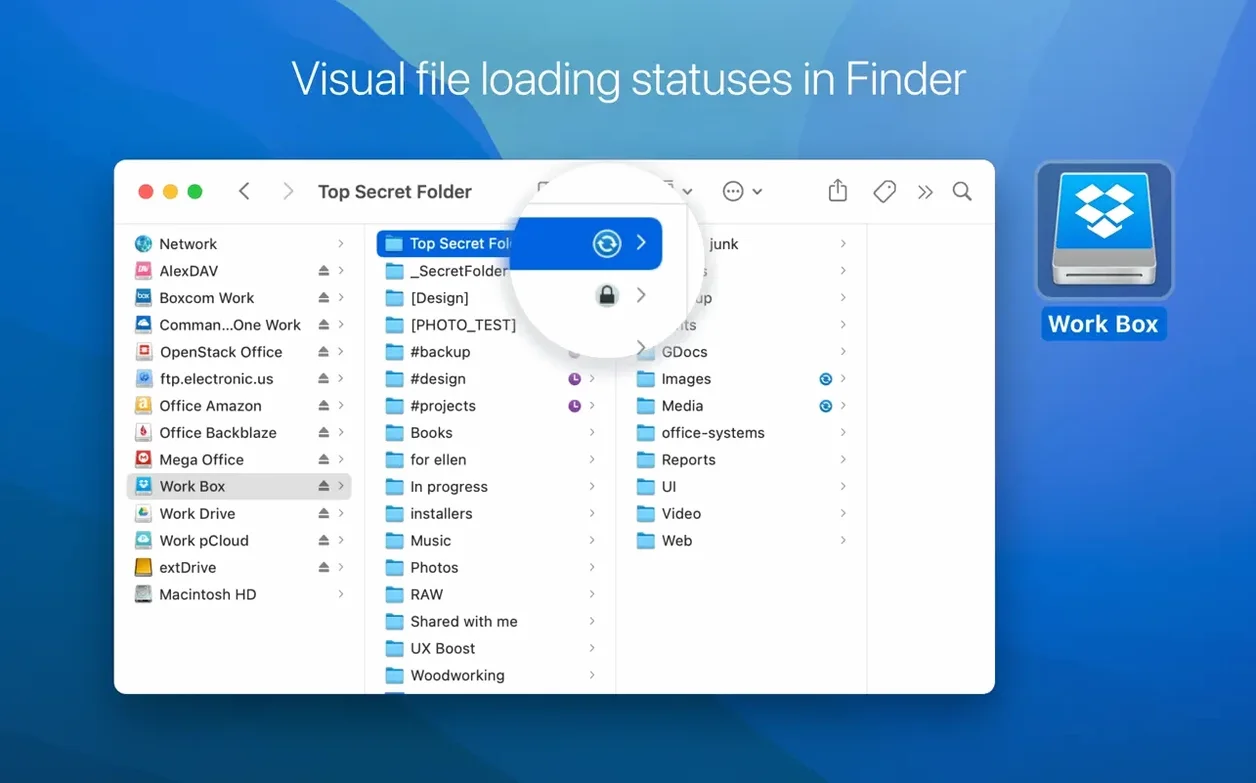
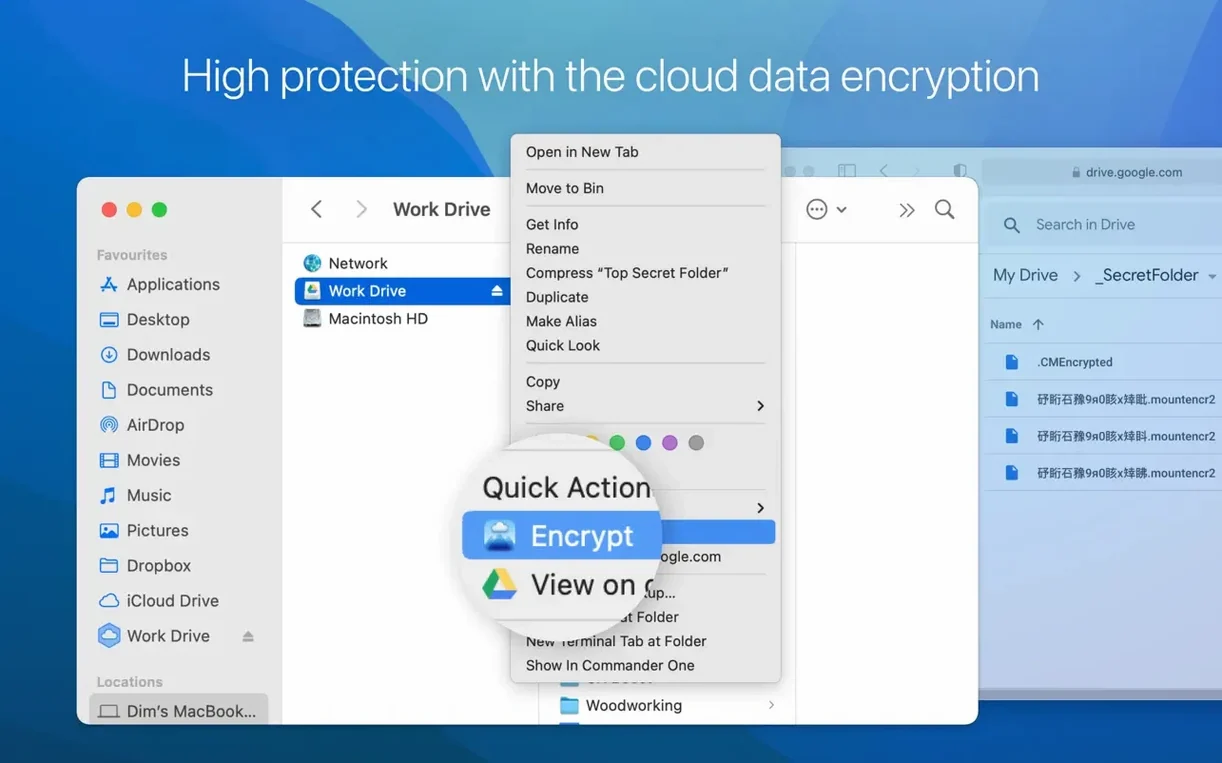
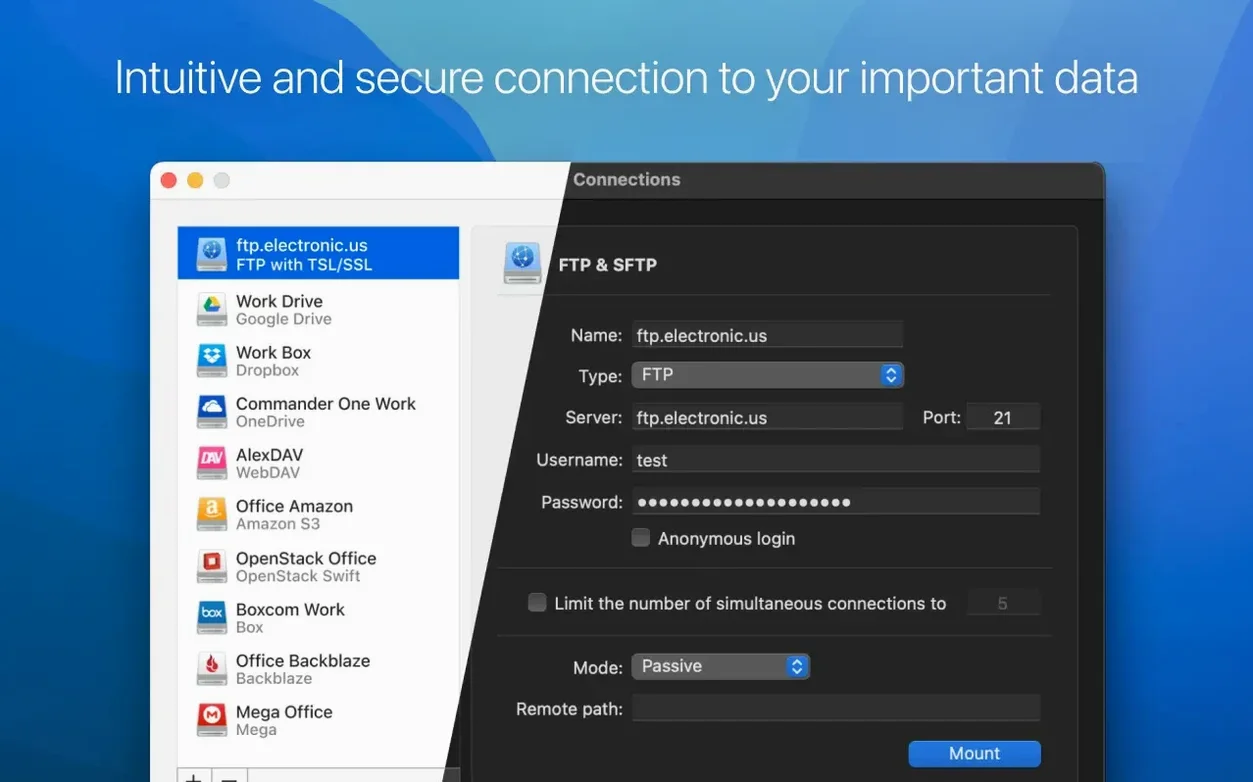
The core idea is refreshingly straightforward. CloudMounter connects to Google Drive, Dropbox, OneDrive, Backblaze B2, Amazon S3, and even SFTP or WebDAV servers, then presents them as regular mounted volumes. Files stay in the cloud — nothing automatically downloads to your Mac’s internal drive until you open it. That alone saves a ton of space, and the app shows transfer progress with status icons so you always know what’s uploading or moving. Multiple accounts from the same service sit side-by-side without any confusion, and if you’re storing anything sensitive, there’s an option to layer on AES-256 encryption before it leaves your machine.
The question everybody asks before installing
Most searches for a cloudmounter activation code come from people wondering whether the convenience holds up beyond the first week. The app supports macOS 10.14 and later and runs on Intel Macs. It speaks eleven languages, including English, German, Japanese, and Simplified Chinese, so it’s clearly built for a wide audience. Version 4.18 tightened up large-file uploads, fixed some SFTP download cancellations, and patched a quirk where storage usage info wasn’t displaying correctly for online connections. If you’re already comfortable mounting network drives in Finder, this feels like a natural extension of that muscle memory — just with a lot more services under the hood.
No more babysitting 4GB upload progress bars
Several of the fixes in this release address friction points that only become obvious after a few weeks of daily use. The improved large-file uploads mean I no longer babysit a progress bar when sending a 4GB video project to Backblaze B2 — it just gets on with it. File and folder listings now load noticeably faster, especially inside deep nested directories on OneDrive, where I used to see a half-second stutter before everything appeared. The MEGA connection improvements are welcome if you share large media archives with collaborators who prefer that platform, and fixing the download cancellation bug on SFTP connections saves you from those awkward moments when you try to abort a transfer and Finder just… ignores you. The corrected storage usage display is one of those small quality-of-life wins — knowing your remaining space at a glance without opening a browser feels properly integrated.
Three services, one afternoon
Imagine a freelance web developer who maintains client sites via SFTP, stores design assets in Dropbox, and archives completed projects to Backblaze B2. Before CloudMounter, their afternoon involved Transmit for server access, the Dropbox web interface for quick asset grabs, and a separate B2 client for pulling old backups. Now all three appear as drives in Finder. When a client calls asking for a logo file from a project finished six months ago, they open the B2 volume, search by filename, and drag it straight into an email. No downloading, no unzipping, no remembering which tool a particular file lives in. The encryption toggle stays off for most work but gets switched on before uploading sensitive client contracts to Dropbox, adding a layer of protection without changing the workflow. Even when a cloudmounter macos search led them here initially, the real value turned out to be reclaiming mental bandwidth from context-switching.
180MB of RAM with four remote volumes mounted
With four remote volumes mounted — two Google Drive accounts, one SFTP server, and an Amazon S3 bucket — CloudMounter sits at around 180MB of RAM on an Intel Mac. That figure drifts up slightly during active transfers but settles back down afterward, and I’ve yet to see a CPU spike that registers in Activity Monitor during idle periods. Finder occasionally pauses for a beat when querying a slow remote server, which is more a reflection of network latency than the app itself. The real test came when I accidentally unplugged an Ethernet cable mid-transfer: the connection dropped gracefully, Finder unmounted the volume without freezing, and reconnecting was as simple as clicking the mount button again. Stability over a full workday has been uneventful in the best way — no kernel panics, no Finder restarts, just drives that stay mounted until I decide otherwise. If you're exploring a CloudMounter crack, you'll find the official build handles concurrent connections with a quiet competence that makes you stop thinking about it entirely.
Version 4.18 tidies up a handful of friction points:
- Large file uploads now handle more smoothly.
- MEGA connections got some behind-the-scenes attention.
- Download cancellation on SFTP connections no longer misbehaves.
- File downloading works properly when the cache volume is changed.
- Storage usage info for online connections now displays correctly.
- macOS 10.14 or later
- Intel processor
Questions people ask
Does CloudMounter sync files to my Mac?
No, it mounts cloud storage and remote servers as local drives without automatically syncing files to your local disk, saving space until you open something.
Also on readers' docks
Sign in or create an account to leave a comment.
No comments yet. Tell me how it got on with your other devices.