








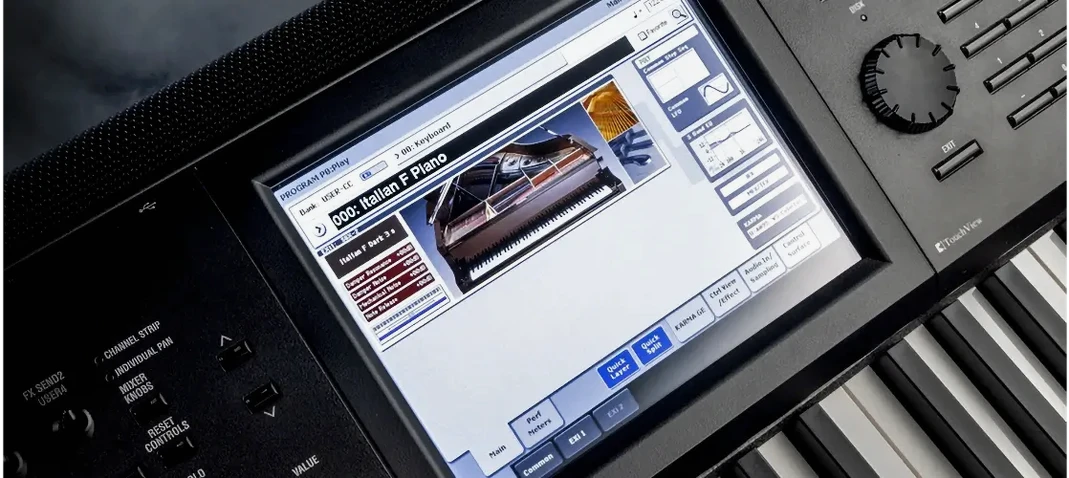
Download KORG Collection for macOS
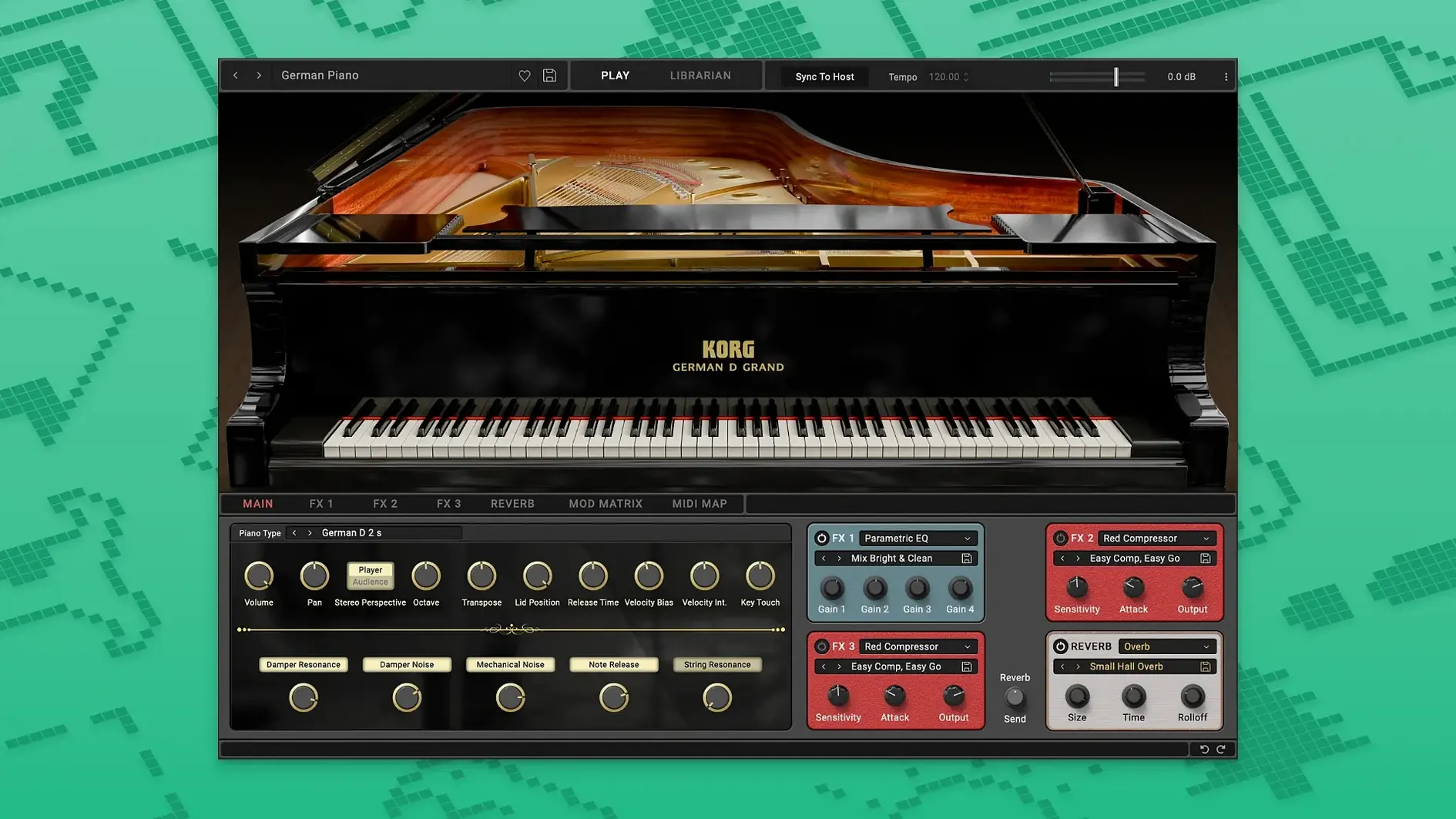
Version 1.0.3 keeps the engine humming on both Apple Silicon and Intel Macs, and it's the little acoustic touches that really stand out. The SGX-2 piano engine nails the natural note decay and soft pedaling behavior — the kind of detail you notice when you hold a chord and let it breathe. It makes sketching a mood for a short film feel less like programming and more like playing.
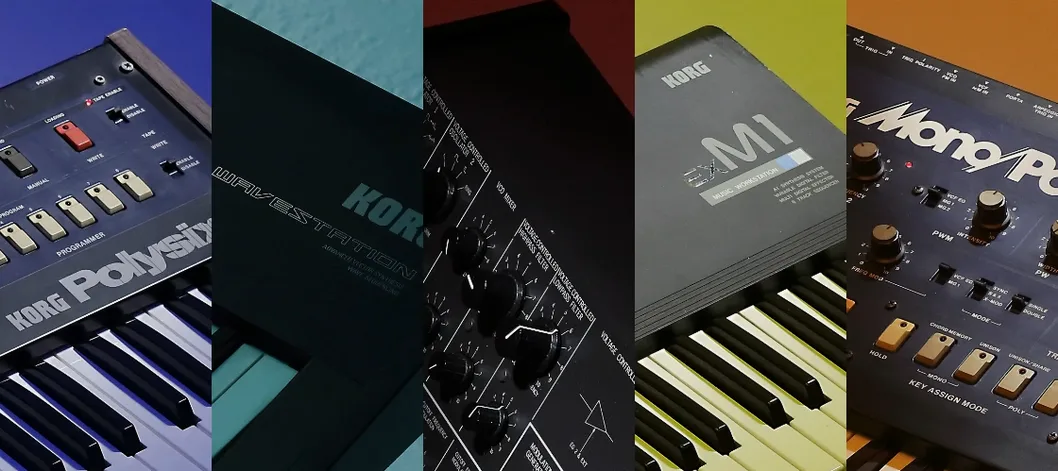
I started a lo-fi pop track with the electric piano, dialing in a warm, slightly overdriven tone. The interface stays out of your way, all in English, so you can just scroll through the synth roster — M1, WAVESTATION, the MS-20 — and land on a patch that fits. There's no menu diving to slow you down when an idea is half-formed.
Layering a soft string pad from one of the polysynths underneath gave the chorus some lift without making the mix muddy. The suite covers a lot of ground: classical piano, gritty jazz leads, pop hooks, and the kind of sweeping pads that work for soundtracks. You're not locked into one era or genre, which means the same collection can add a vintage lead to one track and a clean grand piano to the next.
If your Mac runs macOS 10.13 or later, you're set. The whole bundle loads as a plugin in your DAW, so there's no standalone app to juggle — just open a new instrument track and start playing.
TRINITY and PS-3300 Fill the Rack Gaps In-House
Before TRINITY and PS-3300 joined the lineup, you'd reach for a third-party wavetable synth or a quirky semi-modular plugin to fill those gaps. Now they live right inside the collection, so the patch-browsing flow stays uninterrupted. TRINITY brings that late‑90s digital sheen I associate with R&B bridges and ambient intros — it's the first thing I load when a track needs a glassy pad that doesn't sound like a workstation preset from a decade ago.
PS-3300 is a different animal. It's a semi-modular monster that invites patching experiments, and the software version doesn't punish you for forgetting how a signal chain works at 11 p.m. The 2026 update also added Filter Ark, which means you can push the MS-20 or Polysix through a whole extra layer of resonant movement without inserting a separate filter plugin. In practice, that turns a simple bassline into something that breathes and shifts over eight bars — great for electronic music where static loops are the enemy.
SGX-2 got folded into the bundle quietly, almost as if they didn't want to make a fuss, but it changes how quickly I commit to a piano sound. Instead of auditioning three external piano libraries and tweaking velocity curves, I stay inside the KORG ecosystem and adjust brightness, softness, and keyboard response from a single panel. The less I leave the creative zone, the more music actually gets finished.
Unison Patches That Vanish in a Full Mix
Loading the fattest unison patch right away is the classic trap. Every oscillator stacked to maximum sounds huge in isolation, but it crumbles the moment a kick drum and a vocal enter the mix. The trick is to start with a dry, single-voice patch and add width only after you've placed it in the arrangement.
Another common misstep is ignoring the velocity sensitivity settings. SGX-2 responds beautifully to soft playing, but if your MIDI controller curves aren't matched, you'll either get a lifeless plink or a harsh fortissimo with no in-between. Spend ten minutes dialing in the response before you judge any piano patch.
Beginners also tend to treat the whole collection as a preset machine, scrolling until something fits, without ever lifting the hood. Even moving the cutoff knob on a WAVESTATION string layer can turn a generic soundtrack swell into something that sounds custom-made. The presets are strong, but they're starting points, not destinations.
Match the Plugin Rate to Your DAW Project
Buffer size and sample rate — The collection runs smoothly on most modern Macs, but I've had better low-latency performance when I match the plugin's internal rate to my DAW project settings rather than leaving it on auto. It's a small thing that reduces clicks during dense polyphonic passages.
Keyboard response curve — Inside SGX-2, the keyboard response parameter is buried just enough that people skip it. Don't. Set it to a lighter touch if you play with a feathery left hand; crank it toward heavy if you're coming from a weighted stage piano and want the same resistance feel.
Reverb send level defaults — Several of the synth patches load with cavernous reverb that feels inspiring at first but drowns definition in a busy track. I drop the master reverb send by about 30% on any patch I plan to keep, then add space back with a dedicated send in the DAW where I can EQ the tail.
MIDI channel routing — If you're using multiple instruments from the collection at once, assign each one to a fixed MIDI channel rather than leaving them all on Omni. It stops a stray controller message from triggering the wrong synth and keeps layering sessions organized.
Build a Ten-Sound Favorites Folder First
Spend your first session building a personal favorites folder rather than trying to audition every patch. The collection is huge — synths, pianos, organs, and more — and decision fatigue sets in fast. Flag ten go-to sounds across different categories: a piano you trust, a bass that sits well, a pad that doesn't overwhelm, a lead that cuts through. You'll lean on those while you learn the deeper editing tools.
Pick one instrument and learn its architecture before jumping around. MS-20 is a great teacher because the signal flow is laid out visually and the patching is immediate. Understanding how its oscillators, filters, and modulation interact makes every other synth in the bundle feel more familiar. Give it a solid afternoon with a blank canvas patch and a simple melody.
Test the collection in a real project early — not just a test session. Drop SGX-2 into a rough mix, play some soft chords with the pedal, and hear how the natural decay interacts with your other tracks. Adjust the brightness and softness controls while the loop plays. The collection was designed to sit in a mix, so isolating it during a sound-design deep dive only tells half the story.
Finally, check the installation and activation instructions that come with the package before you open your DAW. Skipping that step leads to instruments that show up grayed out or missing entirely, and it's a frustrating way to start what should be an inspiring first weekend with the collection.
- macOS 10.13 or later
- Apple Silicon or 64-bit Intel processor
- Interface language: English
Questions people ask
Which acoustic piano details does KORG Collection 6 reproduce?
The SGX-2 engine includes natural note decay and soft pedaling behavior, giving the piano a more realistic and expressive feel.
Also on readers' docks
Sign in or create an account to leave a comment.
No comments yet. Tell me how it got on with your other devices.
More in VST Plugins
See all KORG Software Modwave Native
1.4.2 VST Plugins
111 MB
KORG Software Modwave Native
1.4.2 VST Plugins
111 MB
 KORG TRITON
1.4.7 VST Plugins
586 MB
KORG TRITON
1.4.7 VST Plugins
586 MB
 Komplete Kontrol
3.5.4 VST Plugins
785 MB
Komplete Kontrol
3.5.4 VST Plugins
785 MB
 LANDR Mastering Plugin PRO
1.1.35 VST Plugins
365 MB
LANDR Mastering Plugin PRO
1.1.35 VST Plugins
365 MB
 LANDR Vocal Bundle
2025.12 VST Plugins
447 MB
LANDR Vocal Bundle
2025.12 VST Plugins
447 MB
 Komplete FX Bundle
2026.1 VST Plugins
3.2 GB
Komplete FX Bundle
2026.1 VST Plugins
3.2 GB
 LFOTool
1.768 VST Plugins
7 MB
LFOTool
1.768 VST Plugins
7 MB
 Kalifornia Dynamic KD Alkane
1.0.17.0 VST Plugins
270 MB
Kalifornia Dynamic KD Alkane
1.0.17.0 VST Plugins
270 MB