








Download Maya for macOS
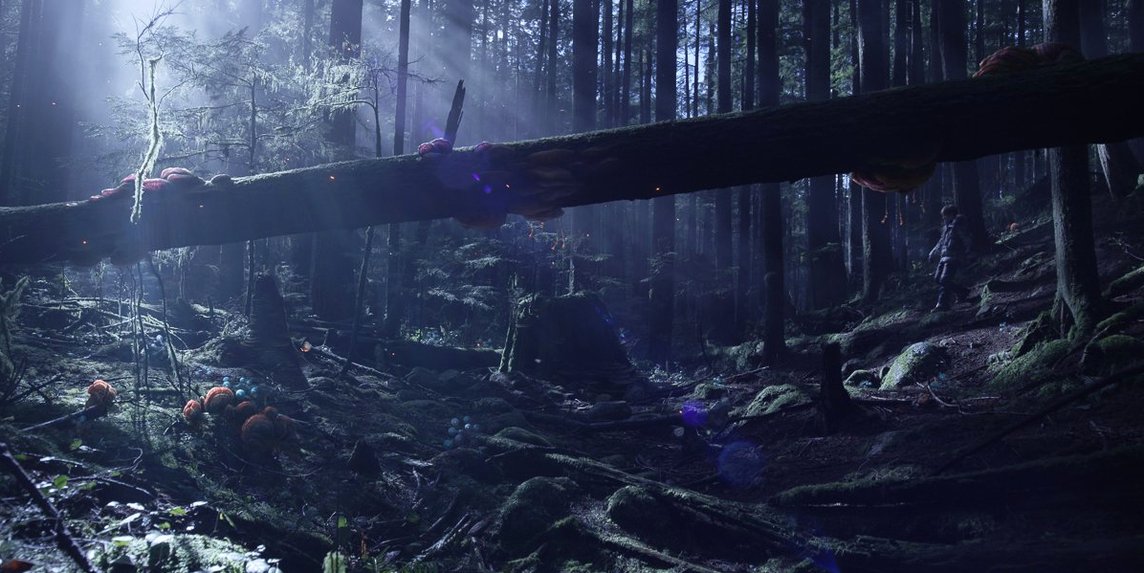

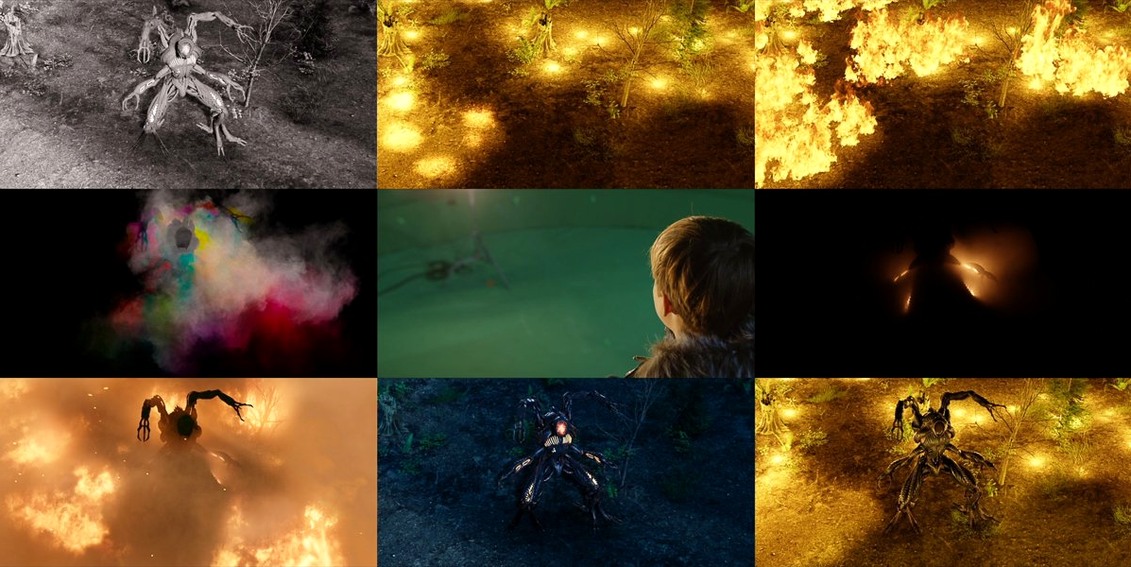
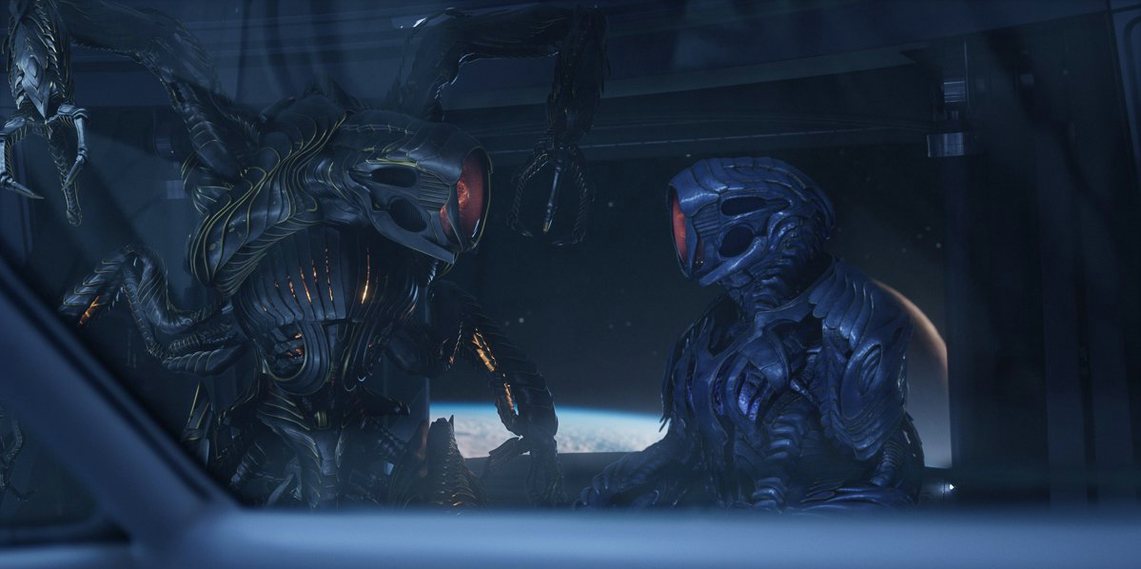
When a scene calls for fur that catches the wind or a character rig that needs custom Python controllers, a general-purpose tool just runs out of steam. Maya steps into that gap as a dedicated 3D animation, modeling, rendering, and compositing environment built for macOS, Windows, and Linux.
Modeling starts wherever the project demands—polygon, NURBS, or subdivision surfaces—and the 2027 release keeps Smart Bevel feeling snappier when you need a clean edge loop fast. Once the mesh is in place, Arnold picks up the rendering in the same workspace, so you can judge a liquid or cloth simulation without leaving the app. Those physics tools cover deformable materials, hair, gases, and more, which makes a single-character shot or a full environmental effect feel equally doable.
Under the hood, technical artists get MEL, Python, Qt Designer, PySide, and a C++ API. That means a repetitive rigging task can become a script instead of a weekend chore. And with MotionMaker now able to train custom models from user data, animation workflows can bend around a studio's style rather than the other way around.
A freelance creature animator I spoke with described her Tuesday morning routine: open a shot with a four-legged critter, scrub the timeline to check weight shifts, then launch MotionMaker to refine a tail-follow motion she’d trained on her own reference clips. The custom model picked up a subtle drag-and-whip timing that keyframes alone would have taken hours to fake. By lunch she’d moved on to grooming fur with the built-in simulation tools, letting Arnold preview a few frames right in the viewport. For her, the macOS version running on Apple Silicon meant the laptop stayed quiet enough to hear her own thoughts—something she never took for granted on older hardware.
Timeline scrubbing no longer crashes on dense rigs
Version 2027.2 tightened several things that used to trip people up mid-session. Timeline scrubbing no longer crashes when you whip back and forth through a dense rig, which sounds small but feels huge when you’re in a flow state. GPU Override deformers behave more predictably now, so weight-painting feedback stays consistent instead of flickering. On the export side, the IGES security fix removed a nagging worry for anyone sending files between CAD and Maya pipelines. Flow Retopology’s UI no longer truncates long mesh names, saving a few squints and scrolls. And Smart Bevel’s junction results got cleaner—fewer pinched corners that need manual cleanup. None of these are splashy features, but together they subtract friction from a typical eight-hour day.
Middle-mouse drag scrubs timeline at variable speed
- Middle-mouse drag on any timeline marker scrubs at variable speed depending on how far you pull—faster than clicking the transport controls.
- Holding Shift+X while beveling snaps edge weights to common angles, which pairs well with the improved Smart Bevel in 2027.2.
- The Arnold render view remembers your last region box between sessions; click the crop icon twice to restore it after a full-frame test.
- MEL scripts can be dropped directly onto the shelf from Finder—no need to open the Script Editor first.
- In the Outliner, typing a partial name with * wildcards filters the hierarchy instantly, which beats collapsing branches by hand.
MotionMaker’s custom model training also has a quiet shortcut: you can feed it sparse data and still get usable results if you manually mark a few key poses first. That one trick turns a half-baked motion capture session into something you can actually build on, rather than discard.
Maya 2027.2 gives animators more control over how motion is learned, with MotionMaker now supporting custom model training from user data. Smart Bevel is faster and more predictable across heavy geometry. The update also smooths out timeline scrubbing, GPU Override behavior, IGES export, Flow Retopology completion, and Smart Bevel edge cases.
- macOS 14.x, 15.x, or 26.x
- Apple Silicon (arm64) or Intel (x86)
- 8 GB RAM
- 7 GB free disk space
- Three-button mouse
Also on readers' docks
Sign in or create an account to leave a comment.
No comments yet. Tell me how it got on with your other devices.
More in CAD & 3D
See all MAXON Cinema
2024.2.0 CAD & 3D
721 MB
MAXON Cinema
2024.2.0 CAD & 3D
721 MB
 Marvelous Designer
v2024.2.139 CAD & 3D
1.7 GB
Marvelous Designer
v2024.2.139 CAD & 3D
1.7 GB
 Marmoset Toolbag
4.02 CAD & 3D
169 MB
Marmoset Toolbag
4.02 CAD & 3D
169 MB
 Live Home 3D Pro
5.0.4 CAD & 3D
615 MB
Live Home 3D Pro
5.0.4 CAD & 3D
615 MB
 KeyShot
2025.1 CAD & 3D
1.8 GB
KeyShot
2025.1 CAD & 3D
1.8 GB
 Pixologic Zbrush
2026.2.1 CAD & 3D
3.1 GB
Pixologic Zbrush
2026.2.1 CAD & 3D
3.1 GB
 Garden Planner
3.8.86 CAD & 3D
225 MB
Garden Planner
3.8.86 CAD & 3D
225 MB
 Plasticity
26.1.3 CAD & 3D
256 MB
Plasticity
26.1.3 CAD & 3D
256 MB