
Download Fallout Shelter for macOS
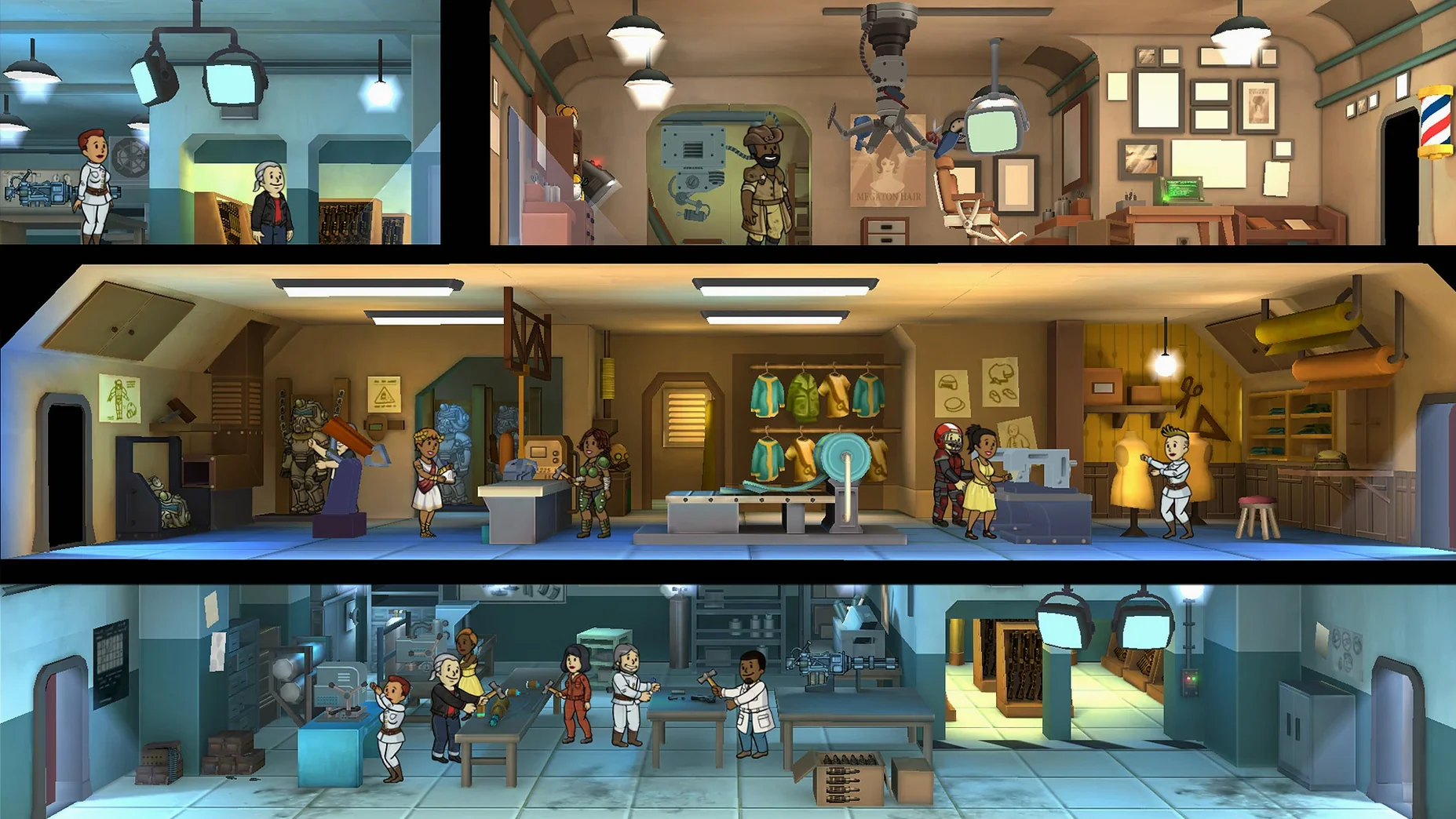
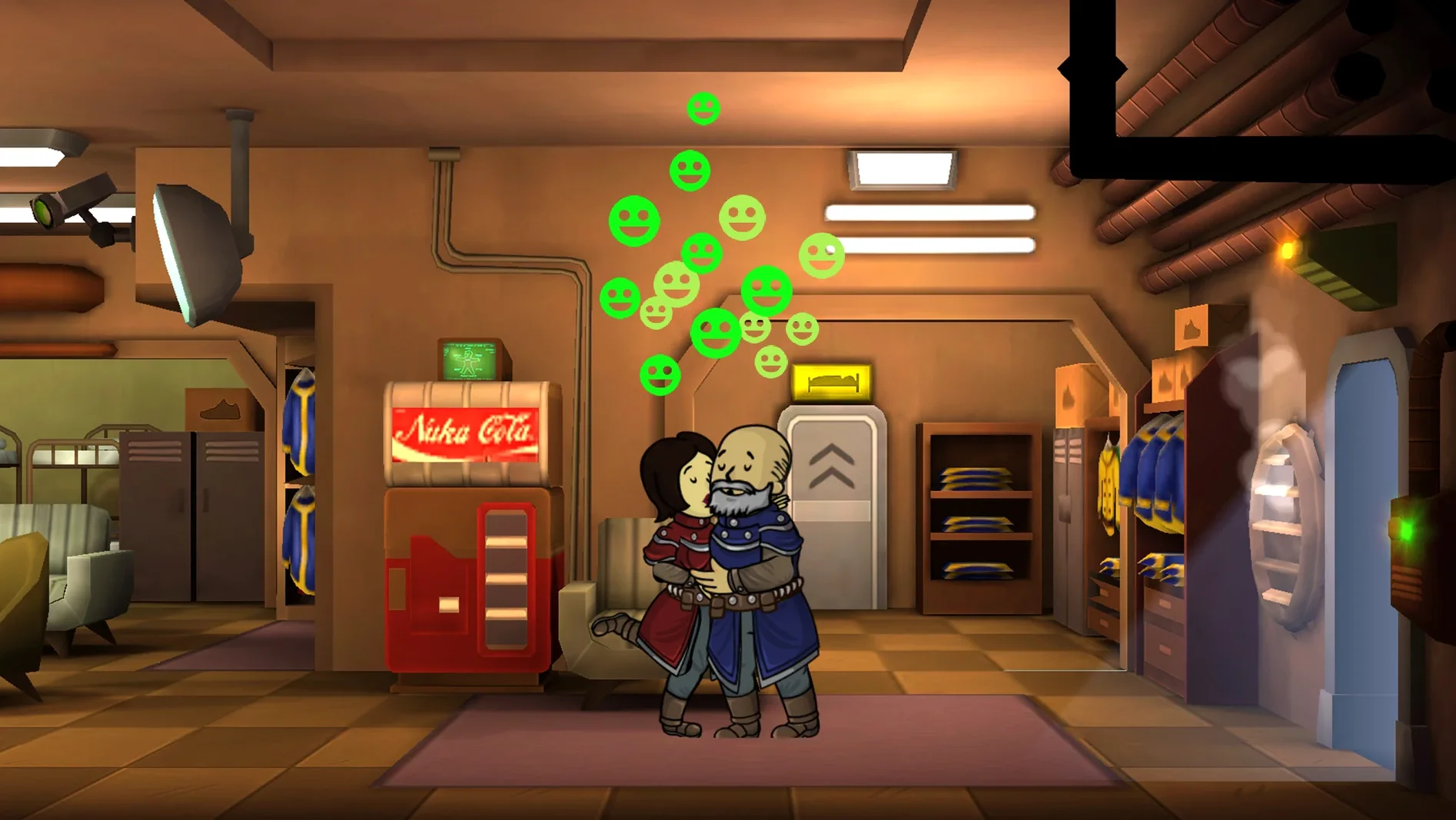
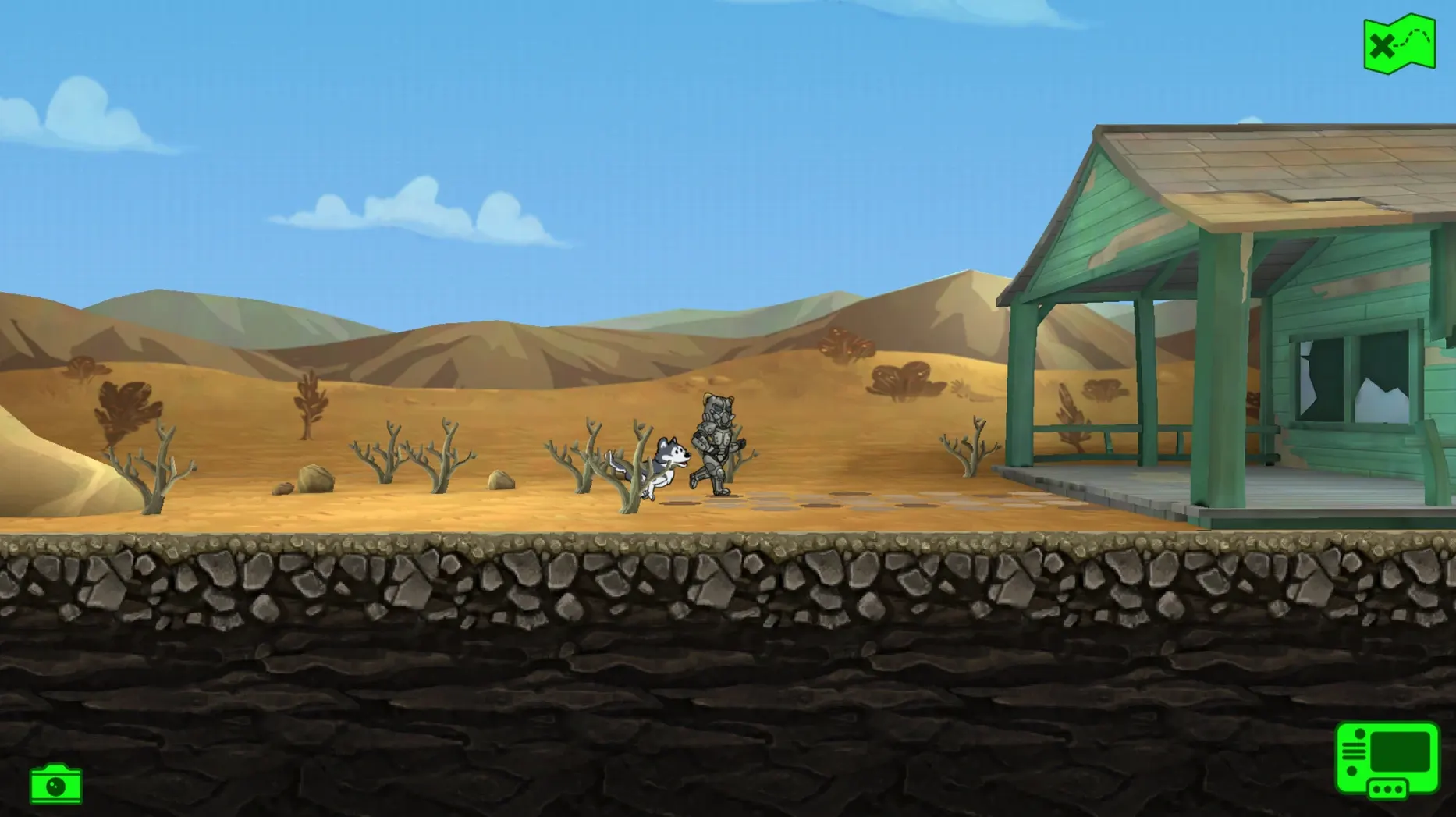
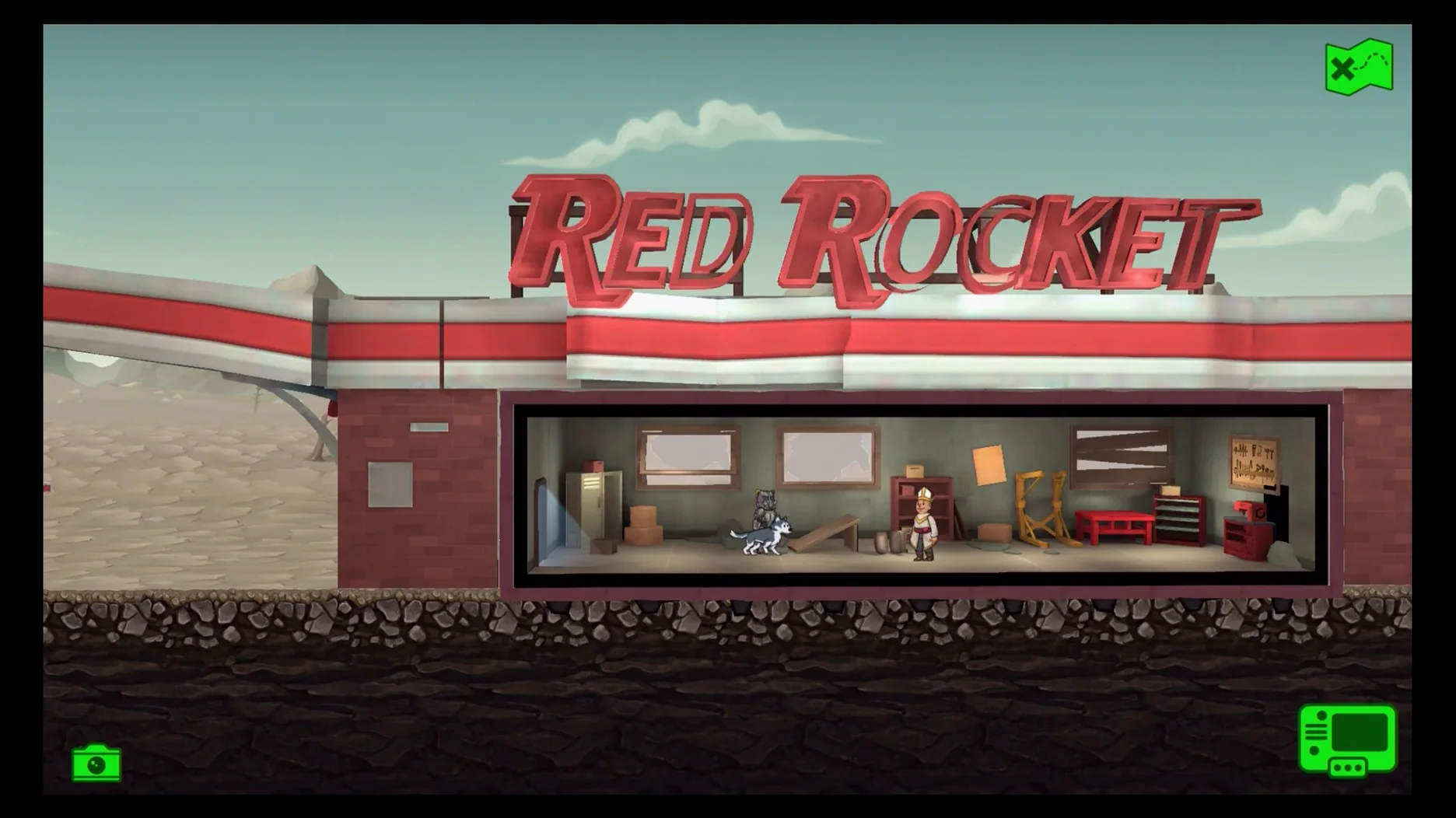
You start with a single elevator shaft and a handful of confused dwellers in blue jumpsuits. The screen glows with the warm orange of a generator room and the moody score hums from your MacBook Air’s speakers. Within ten minutes, you’re dragging rooms together, rushing water treatment, and hoping nobody gets eaten by radroaches before lunch.
- Assigning jobs based on SPECIAL stats. Drag a dweller to the power plant, and the game shows you their Strength number. Put a high-Perception character in the water plant and output rises. It’s a constant nudge to check who belongs where.
- Rushing rooms for quick caps. Tap the rush button and watch the failure percentage. Succeed and you get a caps bonus; fail and the room catches fire or spawns mole rats while dwellers panic.
- Sending scouts to the wasteland. Equip a dweller with a pistol and a stimpak, then drag them outside the vault door. They’ll find junk, outfits, and experience over real-time hours—or radio back a death notice.
- Breeding the next generation. Toss a man and woman into the living quarters and wait. A baby appears, grows into a useful worker, and inherits some stats from the parents.
- Building specialty rooms. Radio studios attract new arrivals from the desert. Medbays produce stimpaks. Training rooms slowly raise individual stats so your best dwellers get even sharper.
There’s no end screen. You just keep digging deeper, balancing resources, and reacting to incidents that pop up while you’re zoomed in on another floor. The whole thing runs natively on Apple Silicon, so the fans barely spin even with 60 dwellers shuffling around.
An Afternoon Underground
I launch the game around two in the afternoon with no plan beyond checking a water shortage. The vault loads with that familiar underground hum, and I immediately see three dwellers clustered in a burnt-out diner—a fire I forgot to extinguish before closing the session yesterday. I drag two high-Agility dwellers into the room, and they spray extinguishers while the fire chews through the diner's health bar. The incident ends with half my food stores gone, so I rush the cafeteria twice to catch up. First rush succeeds. Second one spawns mole rats in the adjacent power plant, and now I'm assigning a dweller with a rusty laser pistol to handle it while my best scout radios in from the wasteland with a sack of junk and a radiation burn.
By three o'clock I'm tinkering with layouts—demolishing a single-wide storage room to attach a triple-wide medbay, because dwellers keep getting injured on failed rushes and I'm burning through stimpaks faster than my lone medbay can crank them out. I pull a new arrival from the radio room, check her stats (high Intelligence, mediocre everything else), and drop her into the science lab for training. She'll be useful in three real-world hours. For now, I drag my veteran explorer back inside before she dies of radscorpion poisoning, collect the caps and blueprints she found, and send a fresh dweller out wearing the upgraded vault suit she brought home.
The game hums in the background while I make tea. When I return, a raider attack has knocked out half my door guards, and I spend ten minutes shuffling dwellers between the entrance and the medbay, rearranging weapons, and repairing the vault door. No screenshots of victory. Just the quiet satisfaction of a vault that's still breathing.
Cuddly Vault Life vs. Civilian Nightmares
Put Fallout Shelter beside This War of Mine, and the tone flips completely. Both are survival management games where you assign people to tasks and sweat over resources, but This War of Mine weighs every decision with moral dread—civilians freeze, starve, and break psychologically during a siege. Fallout Shelter keeps things breezy. A dweller dies in the wasteland, and you feel a mild sting, not a gut punch. The art is cartoonish, the disasters are almost playful, and the worst that happens is a skeleton icon next to a name you'll forget in five minutes.
Stack it against RimWorld, and the depth gap becomes obvious. RimWorld gives you colonists with complex backstories, social fights, mental breaks, and organ-harvesting dilemmas. Fallout Shelter doesn't pretend to compete at that level—it trades intricate AI storytelling for drag-and-drop clarity and a loop you can manage in ten-minute bursts. You're not reading personality profiles; you're matching numbers to rooms and watching vault doors open and close.
Compared to Sheltered, another underground bunker sim, Fallout Shelter feels more polished and less punishing. Sheltered leans into grim resource micro-management where every water filter and can of soup matters, while Bethesda's take is closer to a theme park version of post-apocalyptic life—the vault is cozy, the music loops are warm, and even radroach invasions have a Saturday-morning-cartoon energy. If you want tension and scarcity, Sheltered scratches that itch harder. If you want a comfortable, long-haul build-and-watch sim that fits the Mac's quiet, low-fan vibe, the fallout shelter macos free experience lands right where it should.
- macOS tested on Sequoia
- Apple Silicon native (tested on MacBook Air M1, 2020)
Questions people ask
Can I play Fallout Shelter in a language other than English?
Yes, the game supports Russian, German, Spanish, Italian, and French. You can switch languages by editing the configs.user.ini file inside the app package.
What happens when I send a dweller to explore the surface?
They travel the wasteland in real time, finding caps, weapons, outfits, and experience. They can also be injured or killed, so keep a few stimpaks on them.
Also on readers' docks
Sign in or create an account to leave a comment.
No comments yet. Tell me how it got on with your other devices.