








Download Stardew Valley for macOS
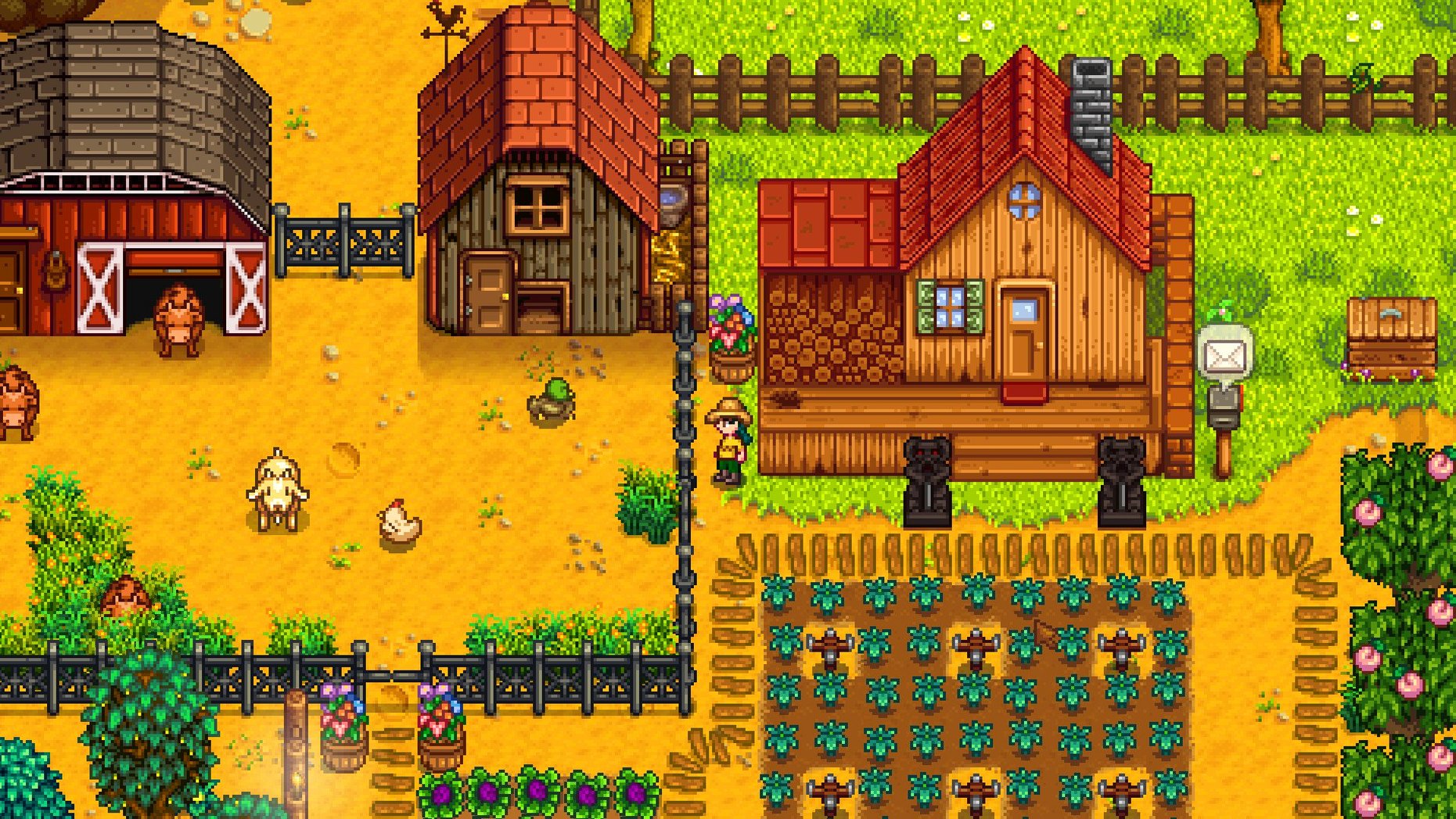
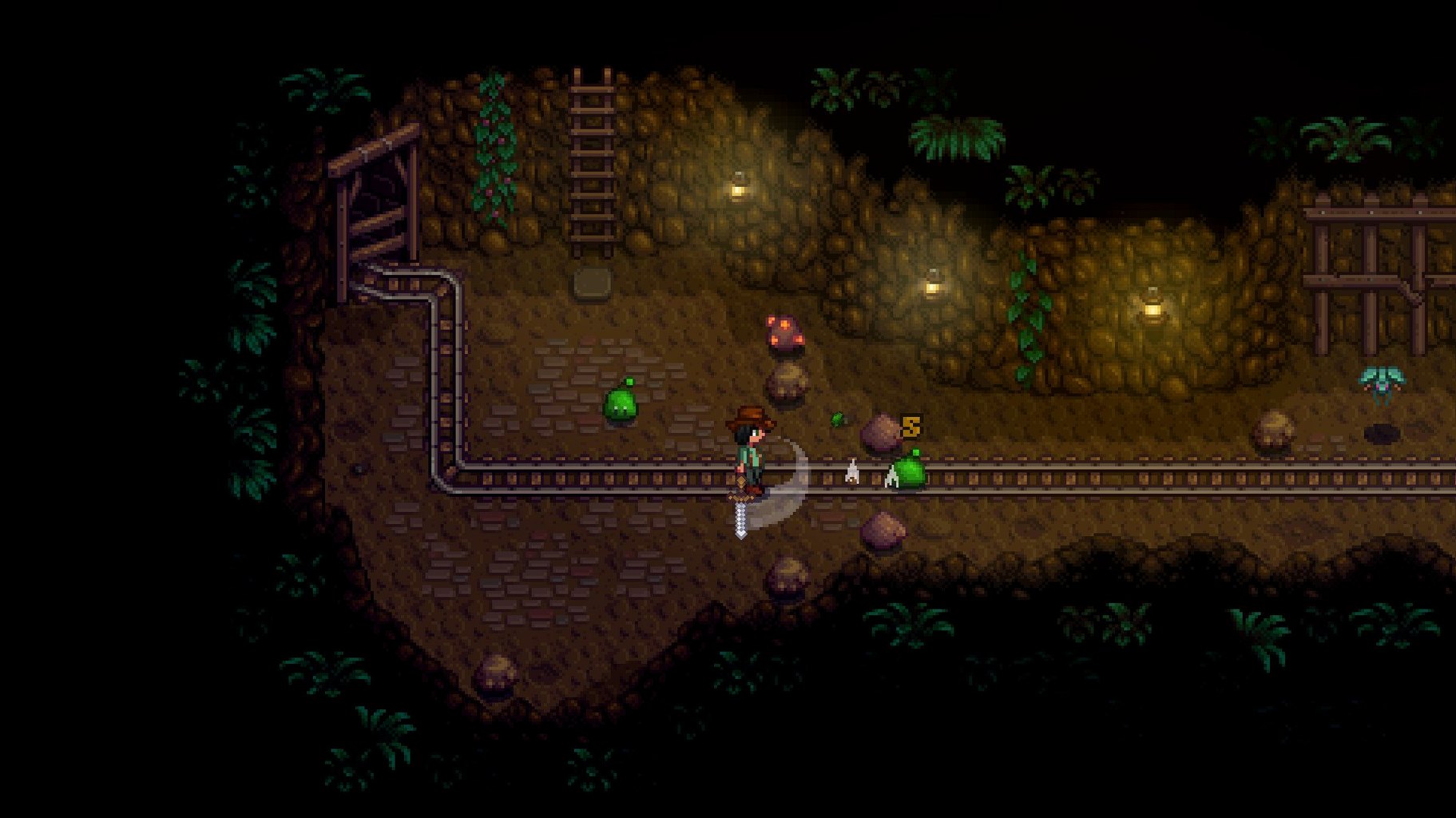
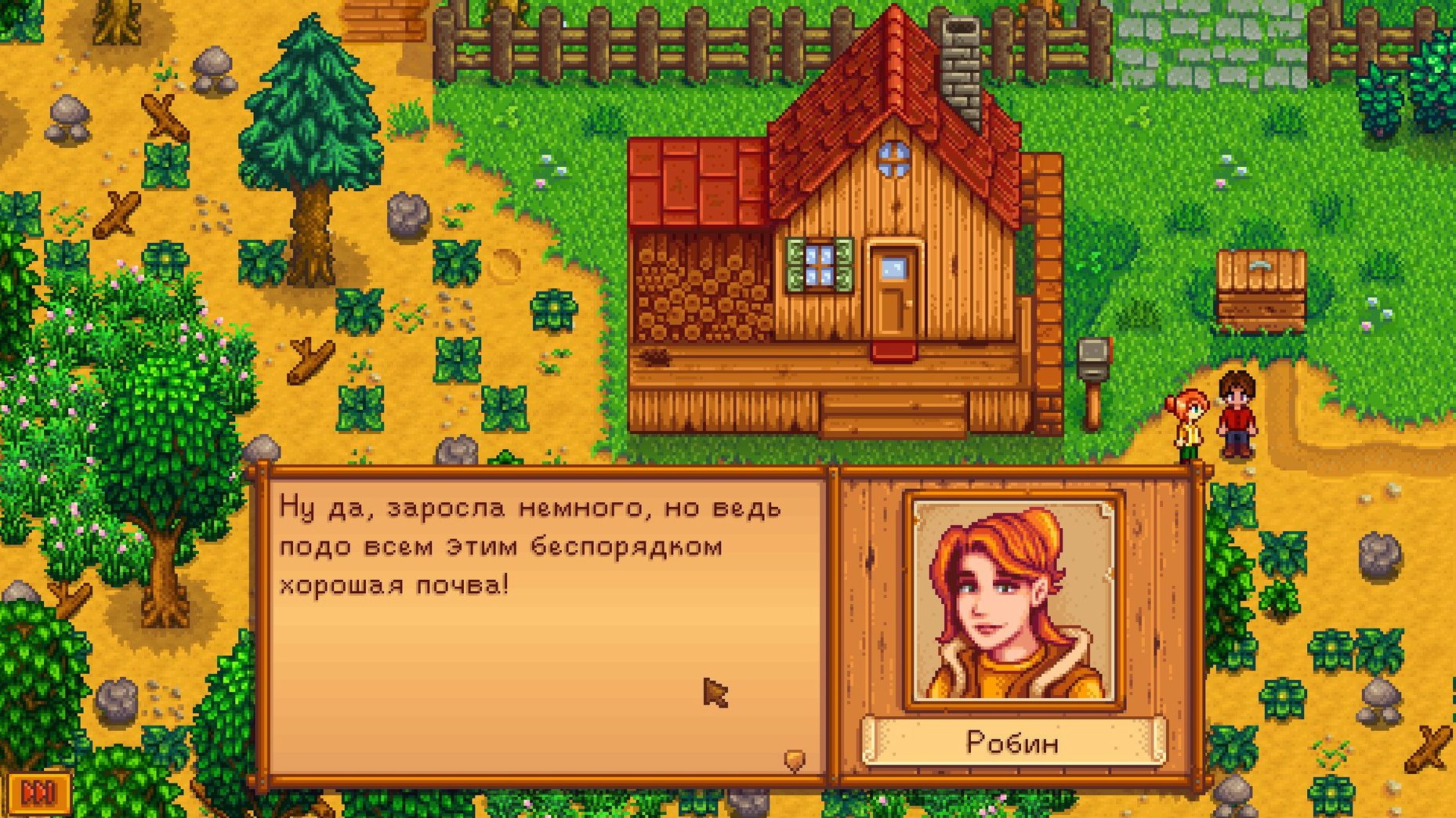
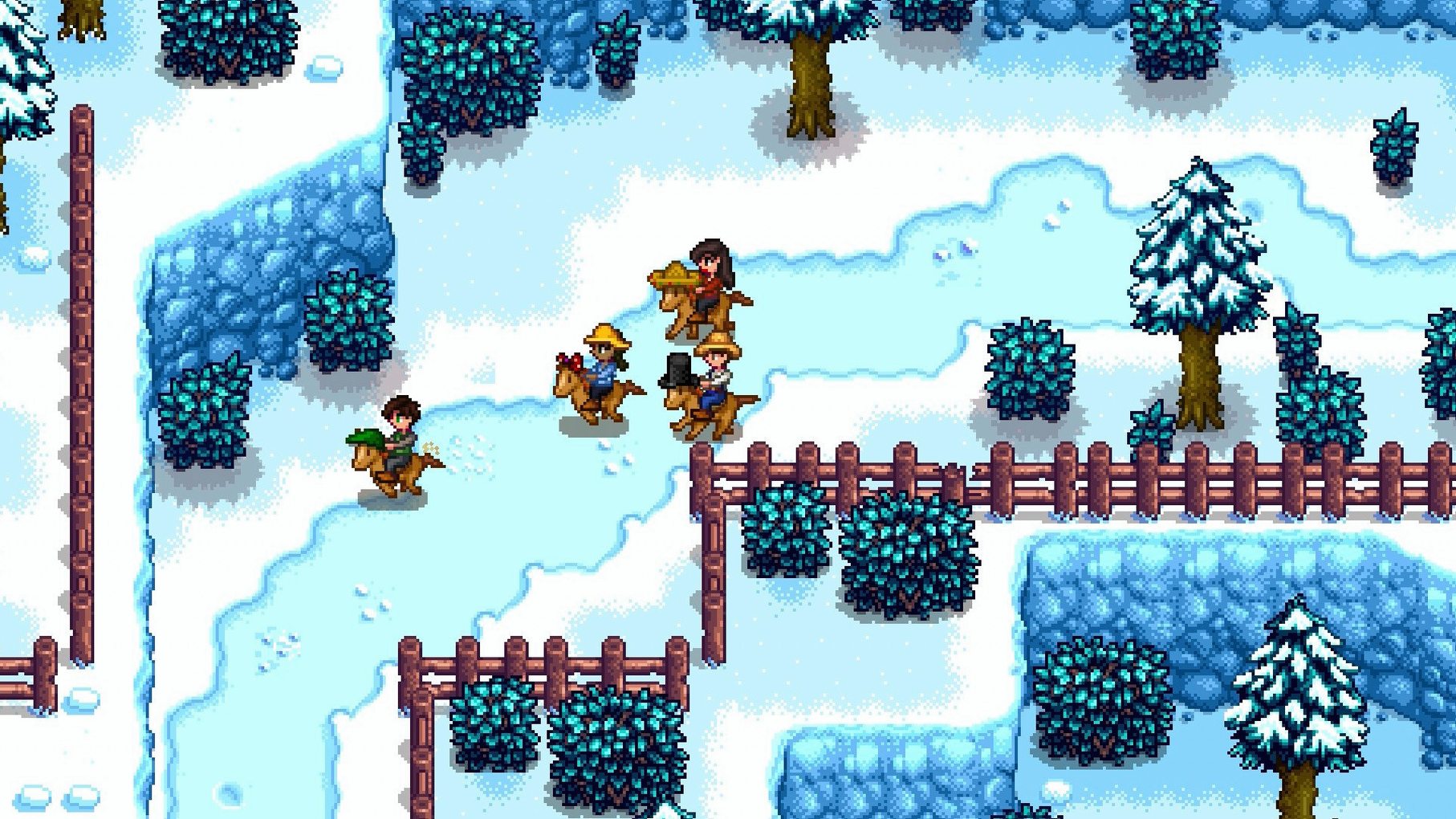
If you’ve ever lost an afternoon to The Sims or Animal Crossing, Stardew Valley feels like coming home — just with more parsnips. You inherit a rundown farm, a couple of rusty tools, and a valley full of strangers who slowly become friends. The sheer openness can feel a little disorienting at first, so here’s where I’d point a newcomer.
- Clear a small patch first. Don’t try to tidy the whole farm on day one. Chop enough wood and stone to fix the little bridge on the beach — it opens up tide pool foraging that earns decent early gold.
- Plant the parsnips, then diversify. Those 15 starter seeds teach you the grow-and-water loop. Once they sell, reinvest in potatoes, then cauliflower. A mix keeps cash flowing while you learn the season rhythm.
- Meet everyone during spring. The quest to introduce yourself to 28 townsfolk is your real tutorial. It pushes you into the saloon, the carpenter’s, and the beach, building the social map you’ll rely on later.
- Don’t ignore the community center. After a few days, the wizard unlocks the Junimo bundles. Tucking away a seasonal crop or a foraged daffodil here and there feels much better than buying a Joja membership.
- Upgrade your backpack early. Pierre sells the first inventory expansion for 2,000g. The extra row makes mining and fishing trips twice as productive and far less frustrating.
- Watch the TV every morning. The Fortune Teller show tells you your luck for the day. On a good-luck day, head to the mines; on a bad one, fish or chop trees instead. It genuinely makes a difference.
That first spring is about finding your rhythm. There’s no real fail state — just a town that keeps showing up, season after season, as your farm slowly becomes yours.
Apple Silicon runs it natively, no Rosetta needed
One question I hear constantly is whether Stardew Valley runs natively on Apple Silicon. It does — the current build includes ARM support, so M1 through M4 Macs run it without Rosetta, cooler and more efficiently than the old Intel days. Another big one: can you play entirely offline? Yes, and that’s how most of us farm. Multiplayer requires a connection, but the single-player experience doesn’t phone home.
People also worry about the time commitment. Stardew respects short sessions beautifully — a day lasts about thirteen real-world minutes, and you can save and quit at bedtime without losing progress. There’s no pressure to marathon it. Some players ask if late-game content keeps up; the 1.6 update added desert festivals, new farm types, and enough post-community-center events that year three feels genuinely distinct from year one.
Pace yourself—don’t exhaust energy by 10am
The most common stumble is treating the farm like a sprint. New players often clear too many trees without upgrading their axe, then run out of energy by 10am. Eat foraged spring onions or field snacks instead of going to bed early — you lose a whole day’s potential that way. Another classic: selling every piece of wood and stone for quick gold. You’ll need stacks of both for farm buildings and crafting, and buying them back from Robin stings.
I’ve seen beginners plant crops right before a season change, then watch them wither on day one of summer. Each crop shows its grow time on the seed packet — count backward from the 28th. Fishing also frustrates newcomers; the bamboo pole makes the minigame nearly impossible. Buy the training rod from Willy for 25g, catch a few easy fish, and switch back once your skill bar grows. And don’t donate your first prismatic shard to Gunther. I won’t spoil why, but take it to the desert first.
How Stardew Valley Compares With Similar Mac Apps
Next to Graveyard Keeper, Stardew feels warmer and less cynical. Both share the “fix up a neglected property” loop, but Graveyard Keeper leans on dark humor and a convoluted tech tree, whereas Stardew’s systems layer gently. You can ignore combat entirely in Stardew if you want; Graveyard Keeper pushes dungeons harder and gates progression behind them.
My Time at Portia shares the small-town rebuilding fantasy, but replaces farming with workshop crafting. Its 3D world and voiced characters feel more like a traditional RPG, though the Mac port had rocky performance patches early on. Stardew’s pixel art and chiptune score create a cozier, more timeless vibe — and its modding scene on Mac is far more active, especially with SMAPI supporting Apple Silicon cleanly.
Sun Haven adds fantasy races and a skill tree with spells, which sounds appealing, but I found its three separate town maps fragmented the social rhythm. Stardew keeps everyone in one walkable valley, and the relationships deepen more naturally because you bump into people organically rather than fast-traveling between hubs. If you want a pure, focused farming sim that never loses its heart, Stardew still sets the bar.
Version 1.6.15 fine-tunes the late-game a bit and smooths over some frustrations. Legendary fish ponds now produce roe more often and bring in a higher average daily value. A Junimo bundle button appears on fridge and mini-fridge interfaces, so you can check bundles without running back to the community center. The update also ships performance optimizations, plus fixes for several crashes, multiplayer hiccups, and localization errors.
- macOS (64-bit)
- Runs on both Intel and Apple Silicon Macs
Also on readers' docks
Sign in or create an account to leave a comment.
No comments yet. Tell me how it got on with your other devices.
More in Games
See all Static Dread: The Lighthouse
1.2.1 Games
1.8 GB
Static Dread: The Lighthouse
1.2.1 Games
1.8 GB
 Spark in the Dark
0.3.17.5 Games
4 GB
Spark in the Dark
0.3.17.5 Games
4 GB
 Spaceflight Simulator
1.6.00.16 Games
47 MB
Spaceflight Simulator
1.6.00.16 Games
47 MB
 Stellaris
4.5.1 Games
21 GB
Stellaris
4.5.1 Games
21 GB
 Stick It to the Stickman
2026.09.23 Games
895 MB
Stick It to the Stickman
2026.09.23 Games
895 MB
 Stoneshard
0.9.4.24 Games
808 MB
Stoneshard
0.9.4.24 Games
808 MB
 STORROR Parkour Pro
0.39.0 Games
25 GB
STORROR Parkour Pro
0.39.0 Games
25 GB
 Sons Of The Forest
53951 Build 17079992 Games
10.6 GB
Sons Of The Forest
53951 Build 17079992 Games
10.6 GB