








Download Sanatorium - A Mental Asylum Simulator for macOS
How a playthrough unfolds
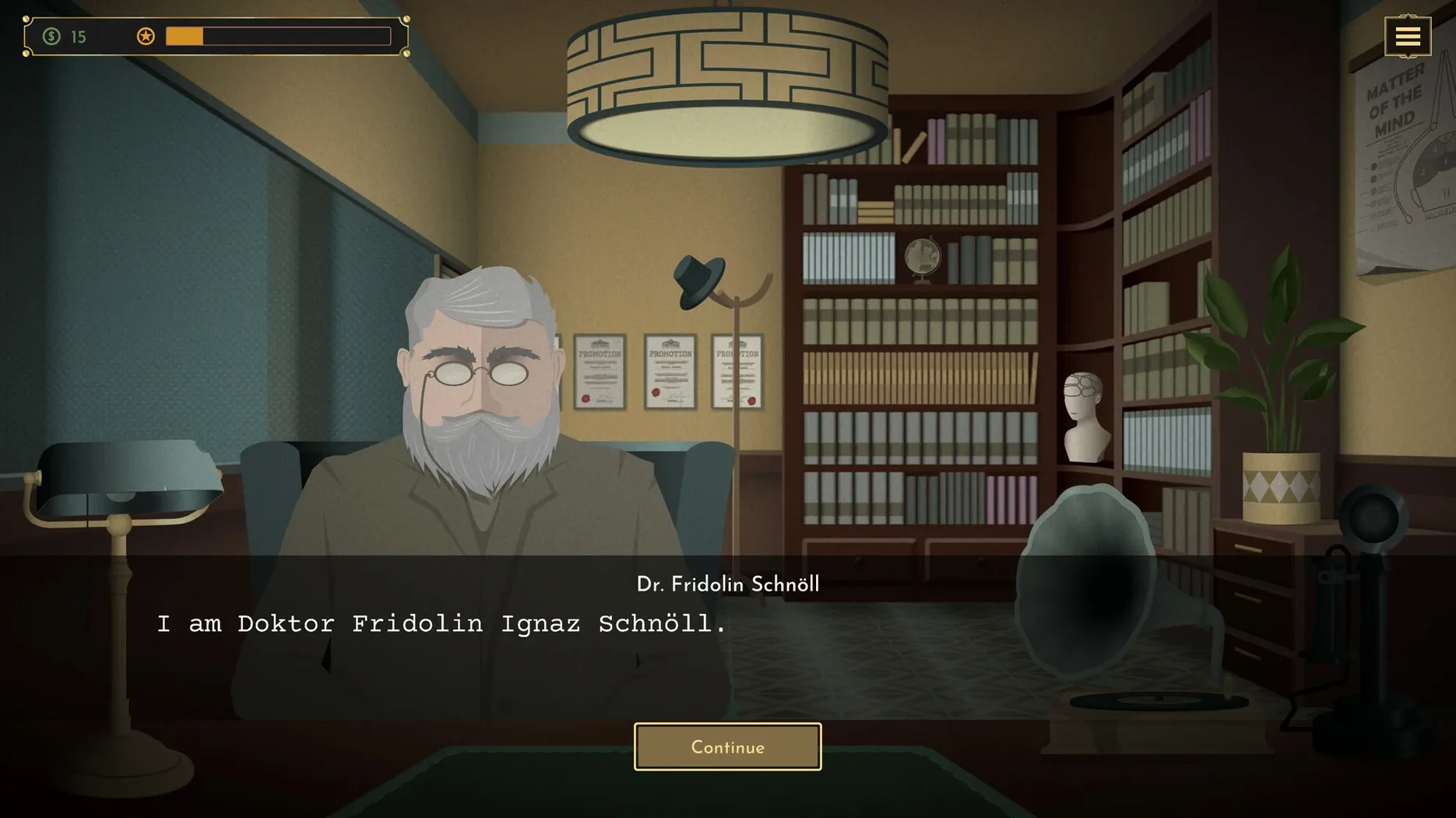
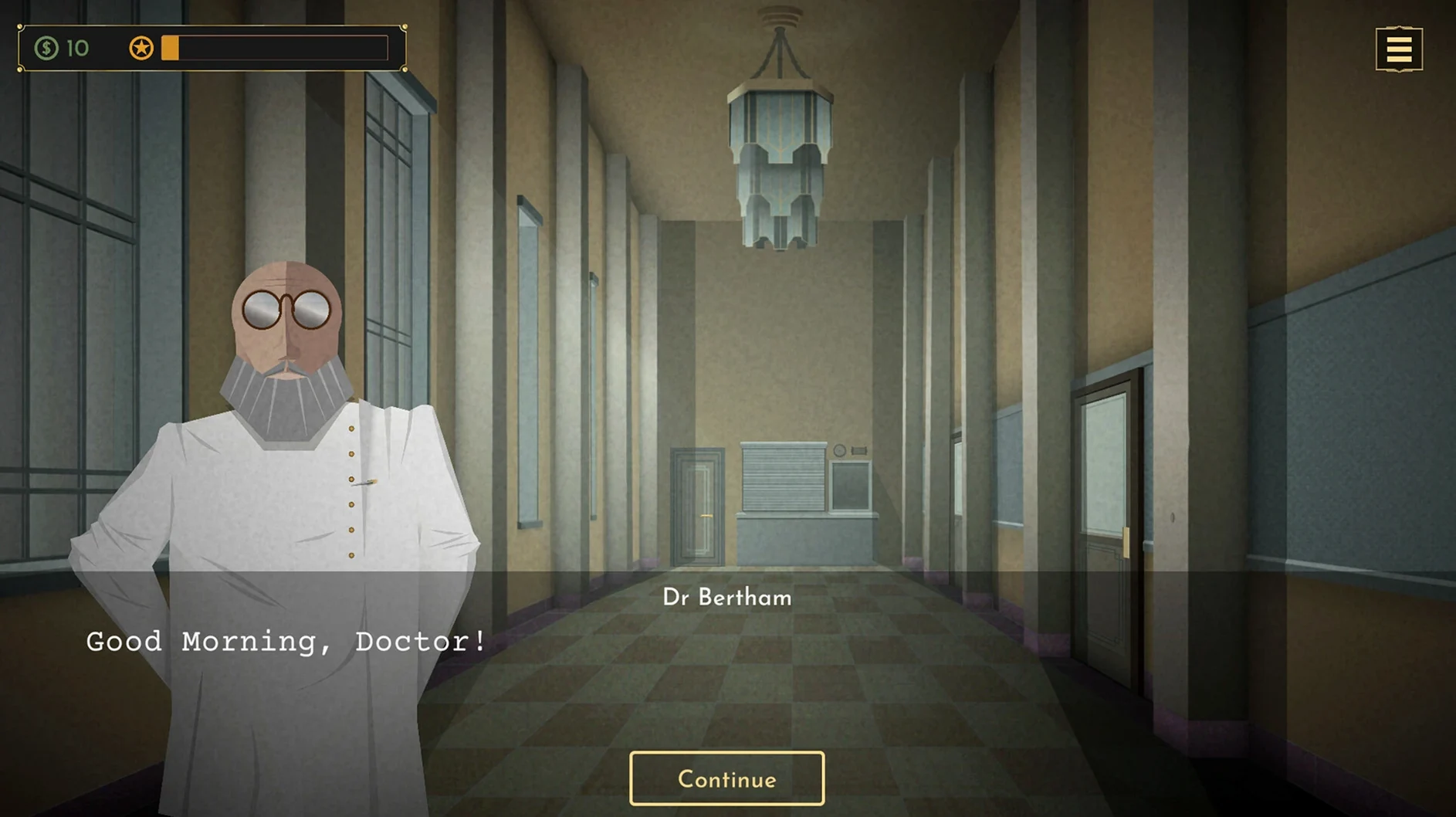
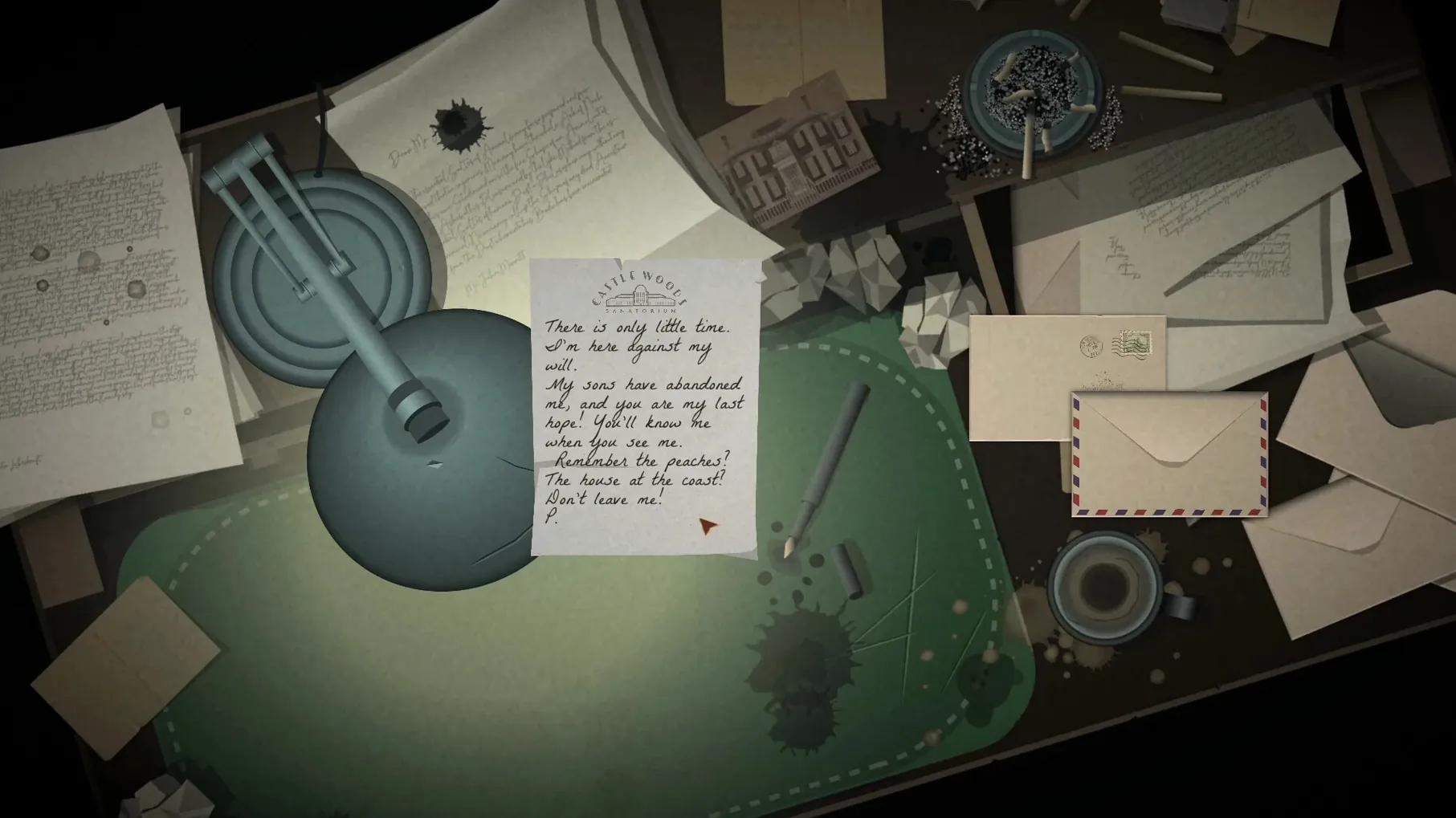
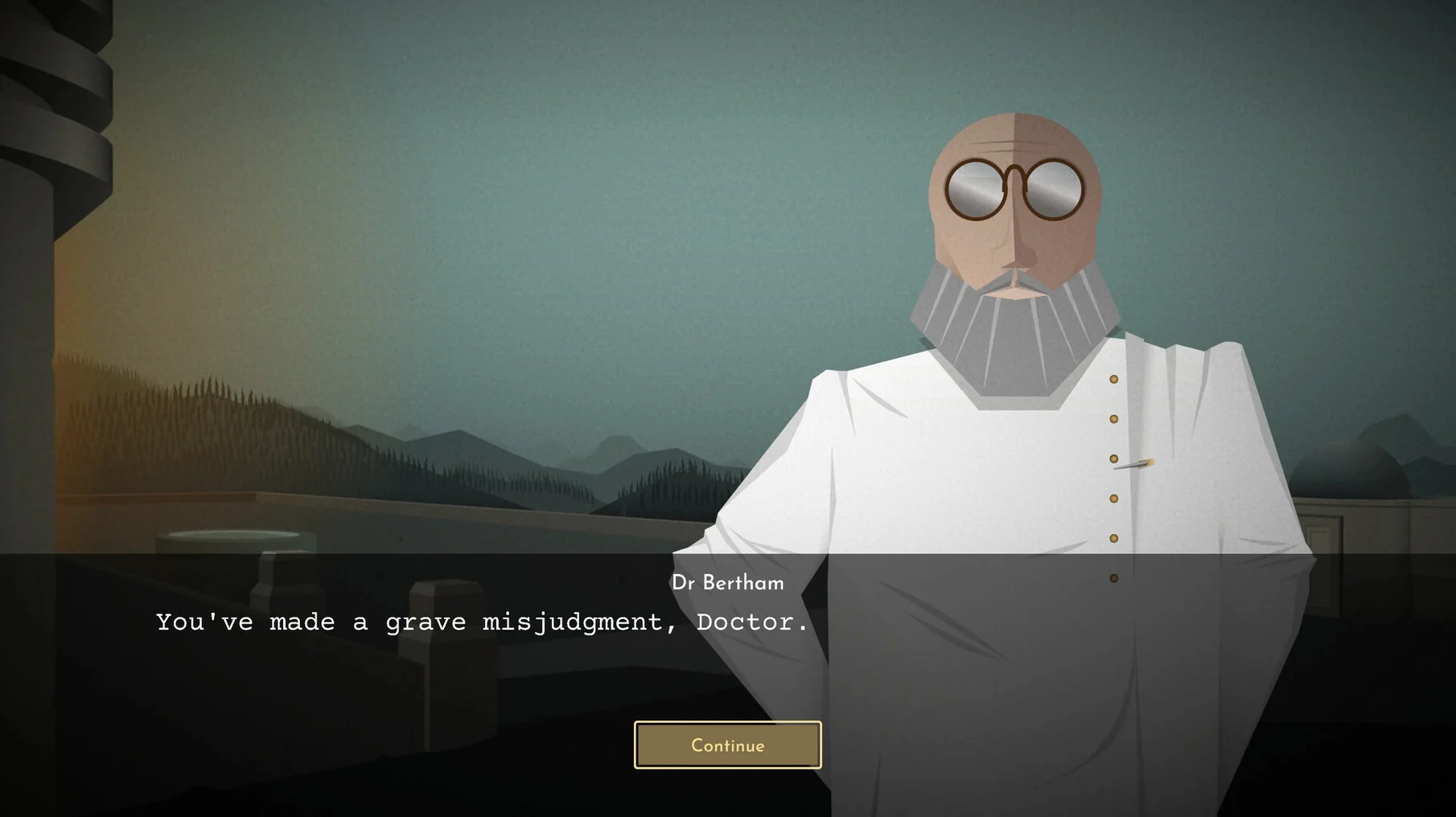
- Arrive at Castle Woods. The asylum becomes yours to run — its dim corridors and troubled patients set the tone immediately.
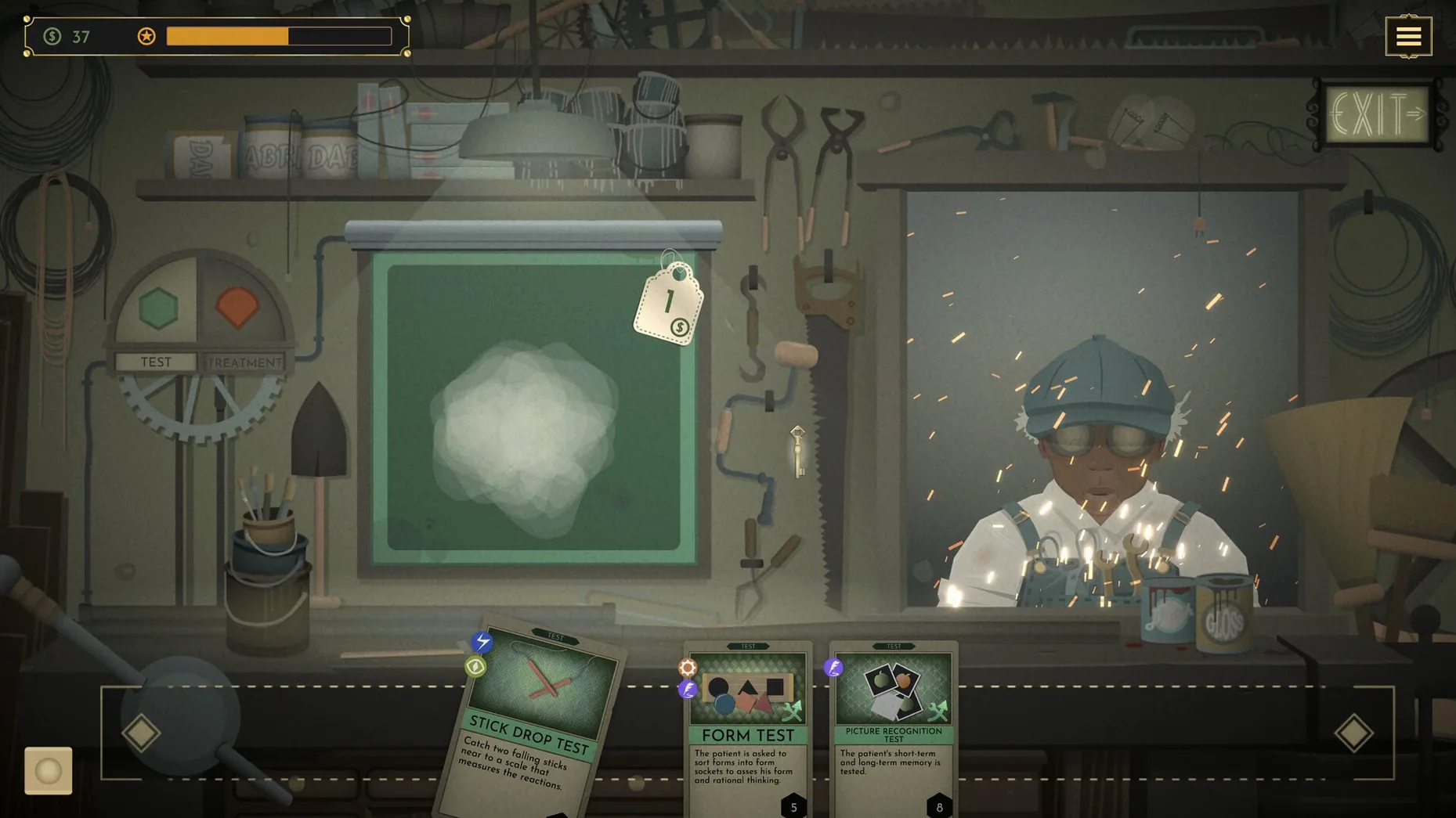
- Draw your hand. Cards represent patients, treatments, and events. You'll test, diagnose, and decide who gets compassion and who faces harsher methods.
- Watch the branches form. Every choice pushes the story down a different path. A kind word might calm a patient; a stern approach could backfire spectacularly.
- Reach an ending, then replay. Four chapters lead to multiple conclusions. Different card combinations and moral stances unlock outcomes you missed the first time.
This is not a management sim full of spreadsheets. It is a narrative experiment where your bedside manner writes the story. The card mechanic keeps each chapter tight, making it easy to pick up for a single evening. If you enjoy narrative games that remember your cruelty as clearly as your kindness, you will find a lot to chew on here. Players who want action or base-building should look elsewhere — Castle Woods rewards reflection, not reflexes.
Playing Doctor with a God Complex
New doctors walk into Castle Woods with a clipboard full of good intentions and a surprising number of the same bad habits. Knowing them ahead of time can save a few botched diagnoses — and a few patients.
- Treating every card as urgent. The deck isn't a countdown clock. Hovering over a patient file before playing a treatment card often reveals symptoms you'd miss by rushing. Slow hands build better outcomes.
- Sticking to one moral lane. Playing the pure saint or the relentless tyrant feels natural at first, but the game's branching paths reward flexibility. A stern quarantine today might give you the breathing room for a kind intervention tomorrow.
- Ignoring the card text's second layer. Most descriptions carry flavor that hints at future events. A throwaway line about a patient's family can reappear two chapters later as a story hook. Read the whole card, not just the action prompt.
- Skipping the patient files. They sit off to the side, easy to overlook. But a file ties together symptoms you've already drawn, and a misread diagnosis can lock you out of a treatment line entirely.
A historian's rainy Saturday
Picture someone who teaches early twentieth-century medicine, a stack of grading still untouched on the desk. They grab Sanatorium - A Mental Asylum Simulator torrent macOS expecting a brooding little card game, but what keeps them clicking into Chapter Three is how the outdated therapies mirror real journal articles they've read. Hydrotherapy, isolation cuffs, the language doctors used to describe "melancholia" — the game wears its period research lightly, but a specialist feels it everywhere. They begin taking mental notes on which patient presentations match genuine case studies from the 1920s. By the second ending, the grading is still untouched, and they're already planning a department email about interactive historical narrative.
Dread Grounded in Human Faces
Stacked against Cultist Simulator, Zeitglas's game replaces arcane mysticism with institutional dread. Where Cultist Simulator buries you in timers and esoteric lore, Sanatorium keeps the clock loose and the tension grounded in human faces. You are not summoning gods; you are deciding whether a trembling orderly gets a cup of tea or a reprimand.
Measured beside Reigns, the swipe-left swipe-right simplicity gives way to richer card interactions. Reigns condenses every choice to a binary flick, which works brilliantly for a monarch. A doctor needs more granularity, and the multi-step card puzzles here — test, then diagnose, then treat — provide exactly that. The trade-off is pace: Reigns can be played in a bus queue, while Sanatorium asks for a quiet hour and a hot drink.
Alongside narrative sim Papers, Please, both share a bureaucratic spine and the creeping sense that rules exist to be broken. Papers, Please pushes deference to authority; Sanatorium questions medical authority itself. One stamps passports, the other signs commitment orders, yet both leave you staring at the screen wondering if you just ruined a life.
- Runs on Apple Silicon and Intel Macs
- Requires macOS (64-bit)
Also on readers' docks
Sign in or create an account to leave a comment.
No comments yet. Tell me how it got on with your other devices.