Download Rising Front for macOS
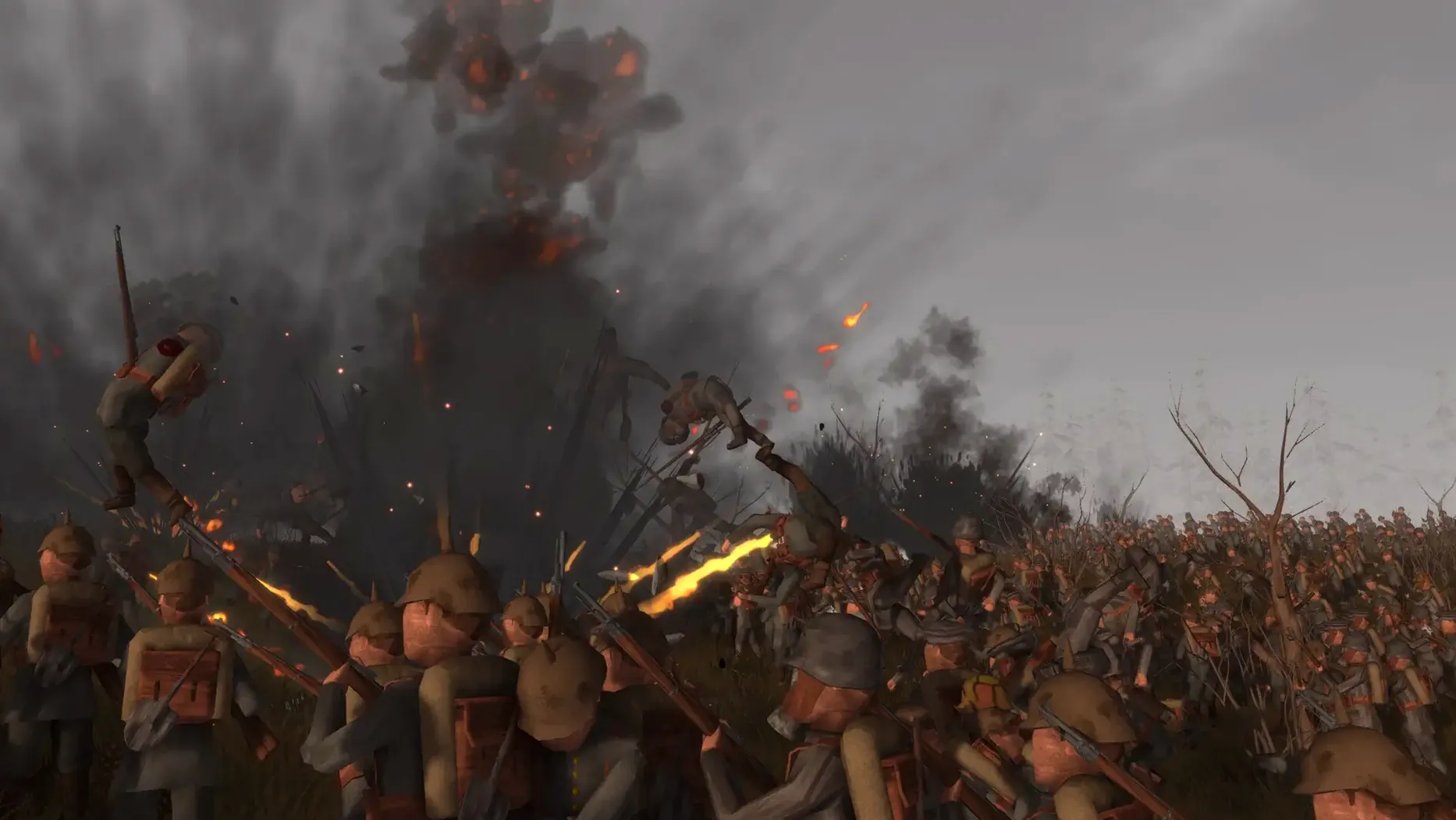
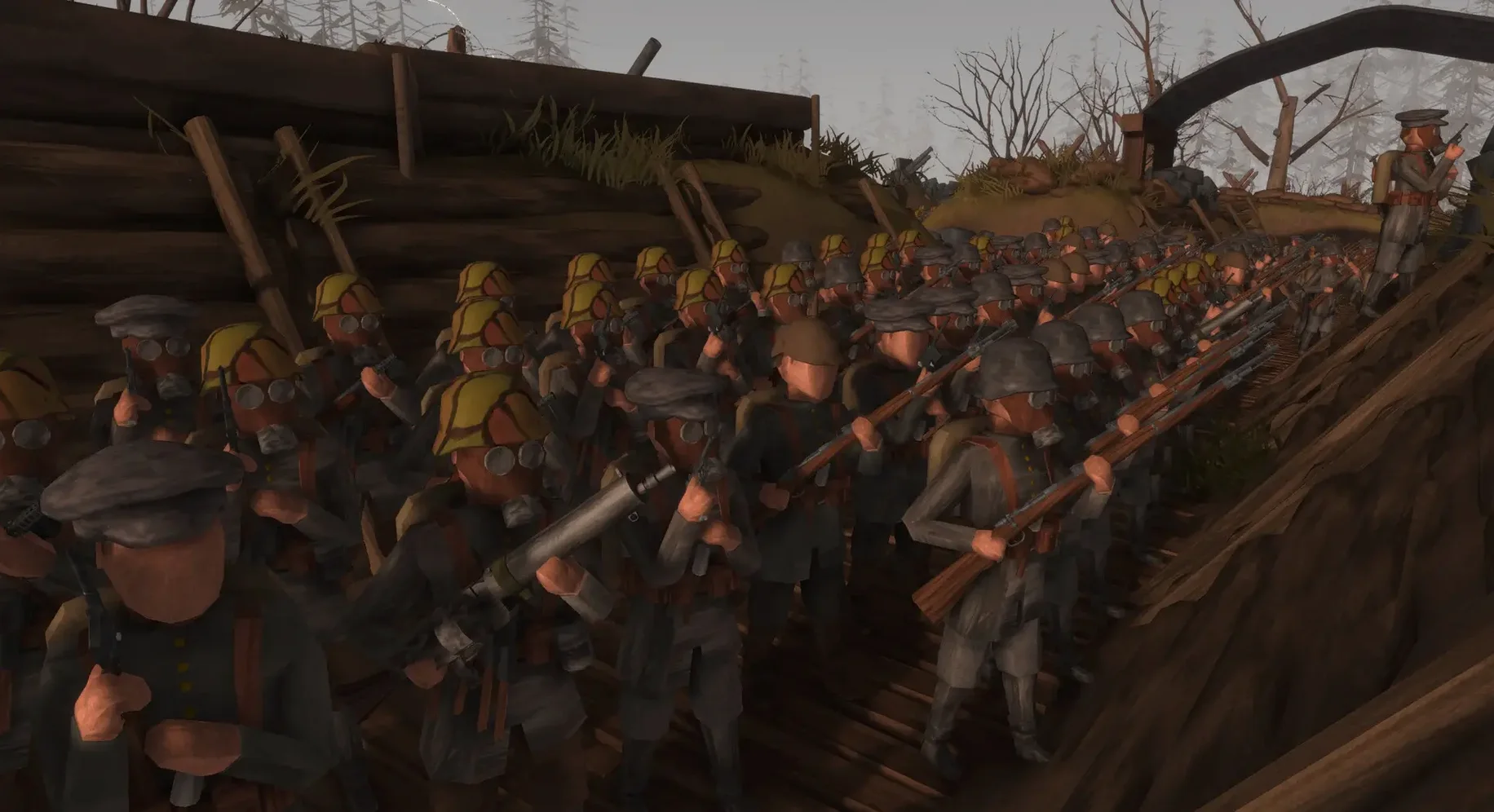
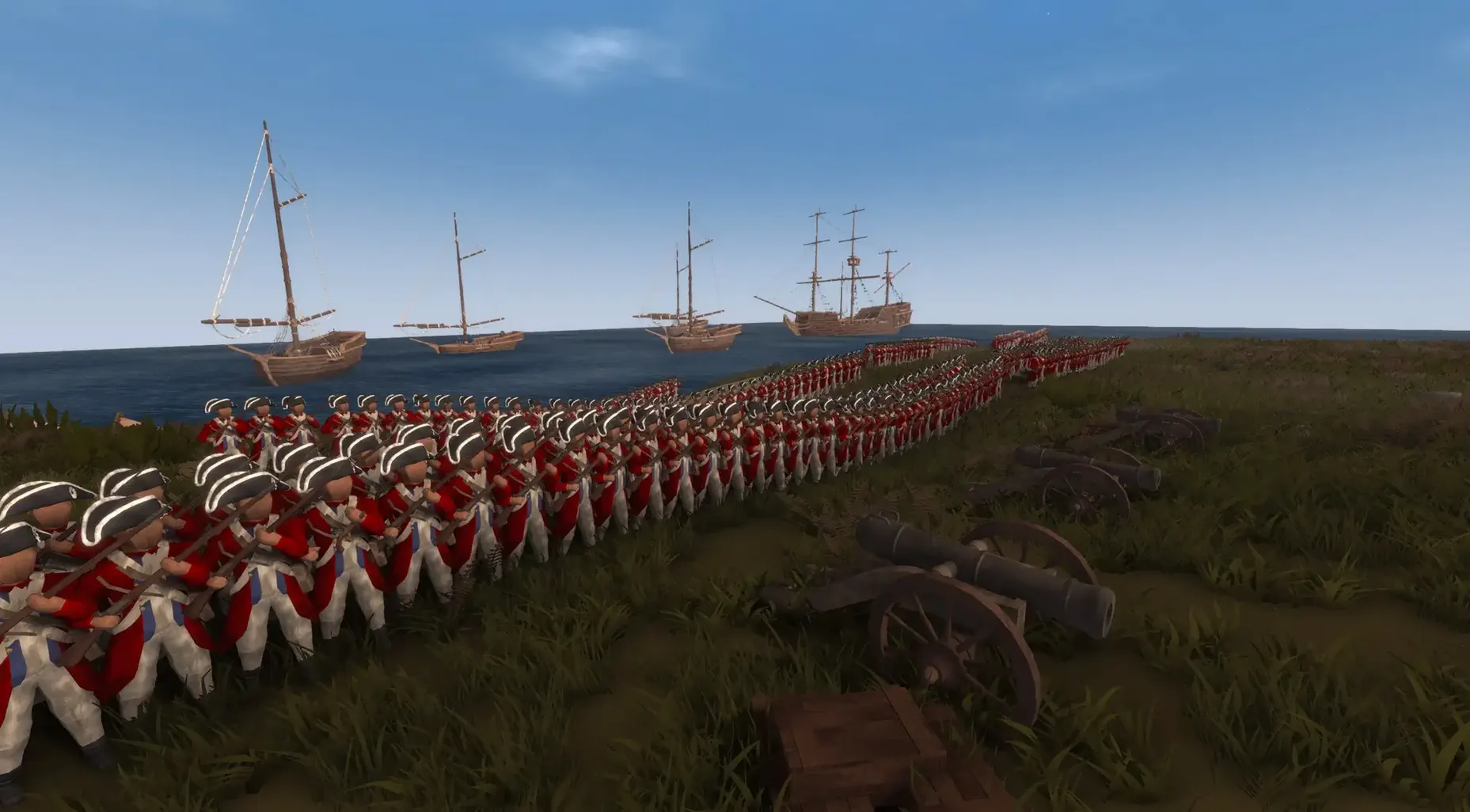
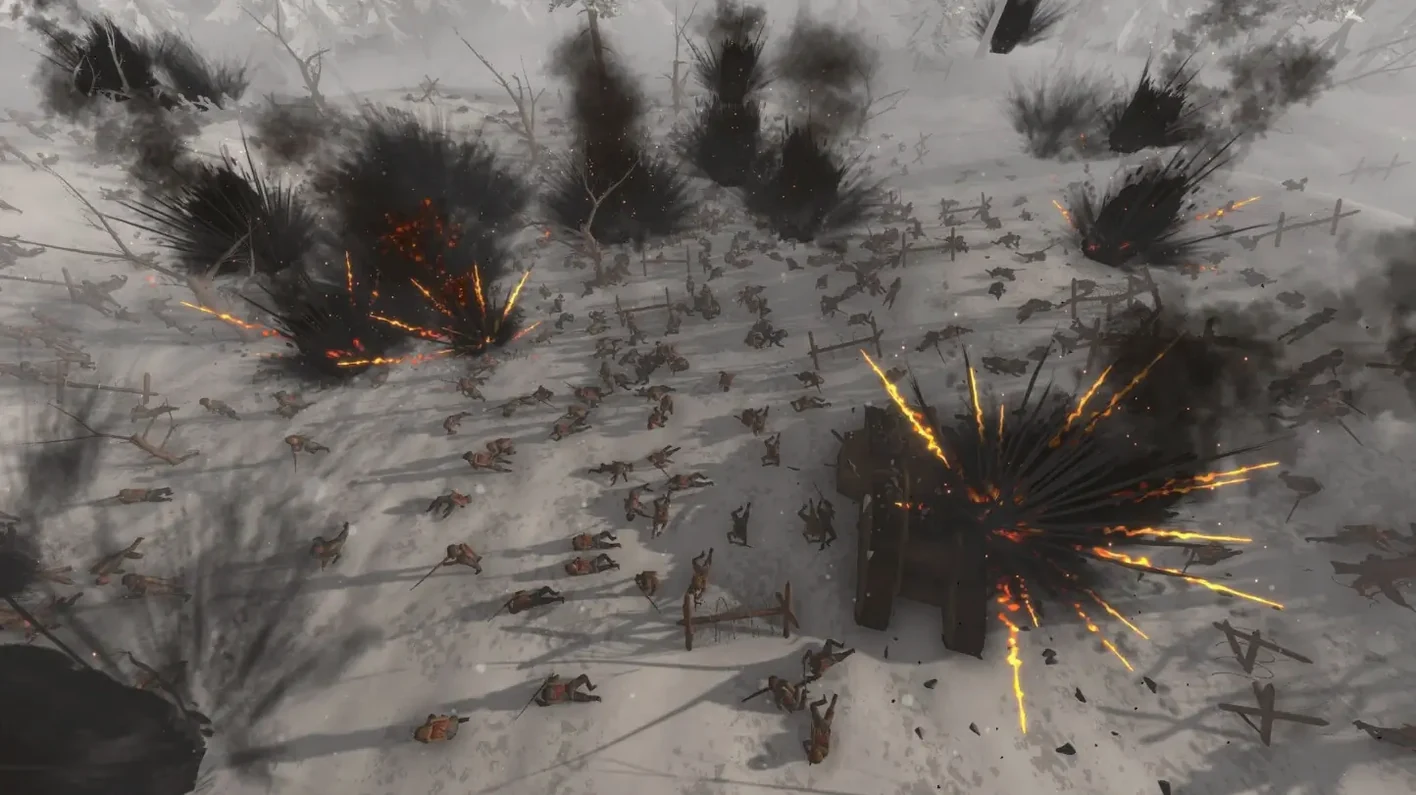
If you have ever spent an evening in a sandbox builder and wished the sandbox fought back, Rising Front sits in that neighborhood. Sandstorm Studios has made a World War I battle simulator that asks you to build, command, and shoot — sometimes all in the same minute.
Building bunkers before the first shot
Players who like tinkering with defenses as much as pulling a trigger. The building system gives you room to shape a battlefield before the shooting starts, which is rare in a game that also plays as a first-person shooter.
Skipping the guided campaign for workshop brawls
Anyone looking for a tight, polished FPS campaign. The workshop content focus and battle simulation roots suggest it is more about making your own fights than being guided through one.
ARM and x86 Macs tested on Tahoe with an M4
It supports ARM and x86 64-bit Macs, and has been tested on macOS Tahoe with a Mac mini 2024 M4. That covers a wide swath of Apple hardware without much guesswork.
What is the learning curve like?
There is a lot going on between FPS, RTS, and construction, so the first hour involves some unlearning. The upside is that the systems reward players who enjoy experimenting with combinations rather than following a single path.
Grabbing trench clips with Shift-Command-5
Rising Front plays nicely with the Mac's screen capture tools, which matters more than it sounds. Hit Shift-Command-5 mid-battle and you can grab a quick recording of a trench assault gone wrong — or right — without any third-party overlay software getting in the way. The clips land in your Finder sidebar, ready to trim in QuickTime Player or drop into iMovie if you are putting together a highlight reel for friends.
On the audio side, the game respects the system-wide volume controls and media keys, so pausing your music or adjusting levels does not require a trip into settings menus. If you use AirPods, spatial audio cues give artillery shells a directionality that a flat stereo image misses. The rumble of an incoming barrage shifts behind you in a way that makes ducking into a trench feel like a reflex, not a choice.
Steam Cloud keeps your save data in sync across Macs, and the Workshop integration means you can subscribe to community-made maps and scenarios on one machine, then find them waiting on another. Workshop content downloads in the background while you play, so you are not staring at a progress bar when you just want to try the latest Rising Front macOS torrent custom battle someone uploaded.
Starting with 200 units instead of 1,000
Start small. The temptation to load up a 1,000-unit battle on day one is real, but the game makes more sense when you scale up gradually. Spend your first couple of sessions with 200 to 300 units on the field. That size gives you room to mess with the building system and AI commands without the chaos of a full-scale engagement drowning out the learning.
Learn the artillery rhythm before anything else. Shelling dictates the tempo of a trench fight, and if you wait until the enemy guns are already zeroed in on your position, you are reacting instead of planning. In your first hour, practice calling fire missions on spotted targets and watch how the AI shifts its infantry in response. That pattern — bombard, move, fortify — is the backbone of every successful defense.
Build with the procedural cover system in mind. Sandbags and earthworks are not just decoration; the game checks cover angles when bullets fly. A trench line that looks solid from above might have a blind spot where ragdoll physics will make your squads pay. Take a walk through your own fortifications in first-person view before the shooting starts. You will catch gaps that the overhead camera hides.
Bind the unit command keys early. The default bindings work, but putting advance, hold position, and fall back on three adjacent keys turns squad control into a quick tap instead of a menu hunt. Muscle memory matters when a thousand AI soldiers are moving and your attention is split between building and shooting.
Widening FOV to catch flankers at 90–95
- Field of view: The default FOV feels tight for a game where you need to spot movement across wide trench lines. Bump it up to 90–95 and you will catch flanking units earlier without fisheye distortion.
- Mouse sensitivity per stance: If you play with separate sensitivities for hip-fire and aiming down sights, set them now. A lower ADS sensitivity helps with the bolt-action rifles that reward deliberate shots.
- Unit icon scale: When the battlefield fills up, the default icon size can clutter the screen. Shrink them slightly so you can still read the tactical picture without losing sight of the terrain underneath.
- Audio mix: Dial the music back to about 60% and keep sound effects at full. The crack of rifle fire and the whistle of incoming shells are your early warning system; you want those crisp.
- Auto-save frequency: Set it to every five or ten minutes. A thousand-unit battle can turn on one bad artillery call, and you will thank yourself for the checkpoint when a trench collapses.
Update 1.01 keeps things modest: bug fixes and small changes, per the Steam announcements.
- macOS Tahoe or compatible version
- Apple Silicon or Intel (x86 64-bit) Mac
- Interface language: English
Also on readers' docks
Sign in or create an account to leave a comment.
No comments yet. Tell me how it got on with your other devices.