Download Nova Roma for macOS
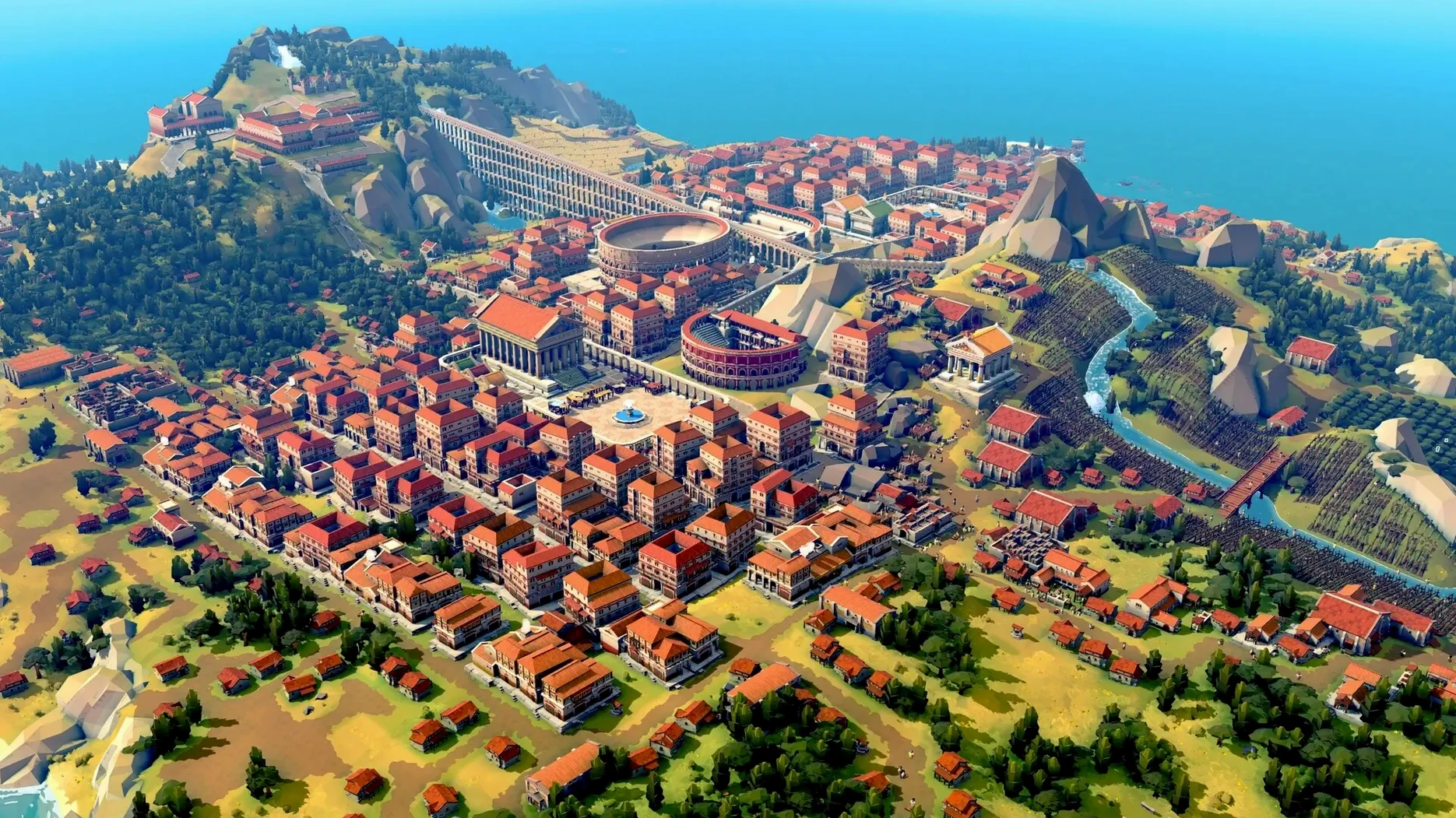
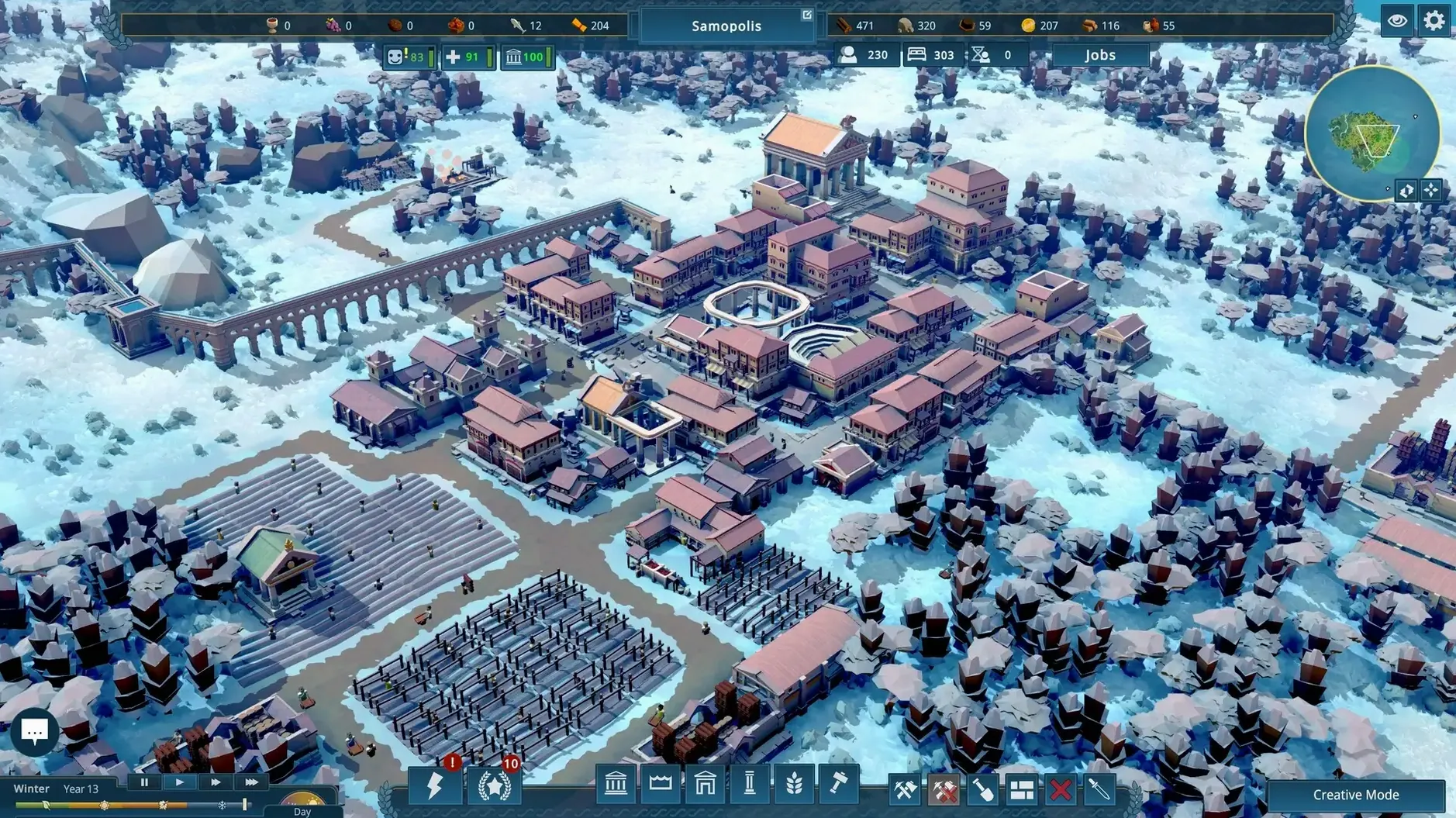
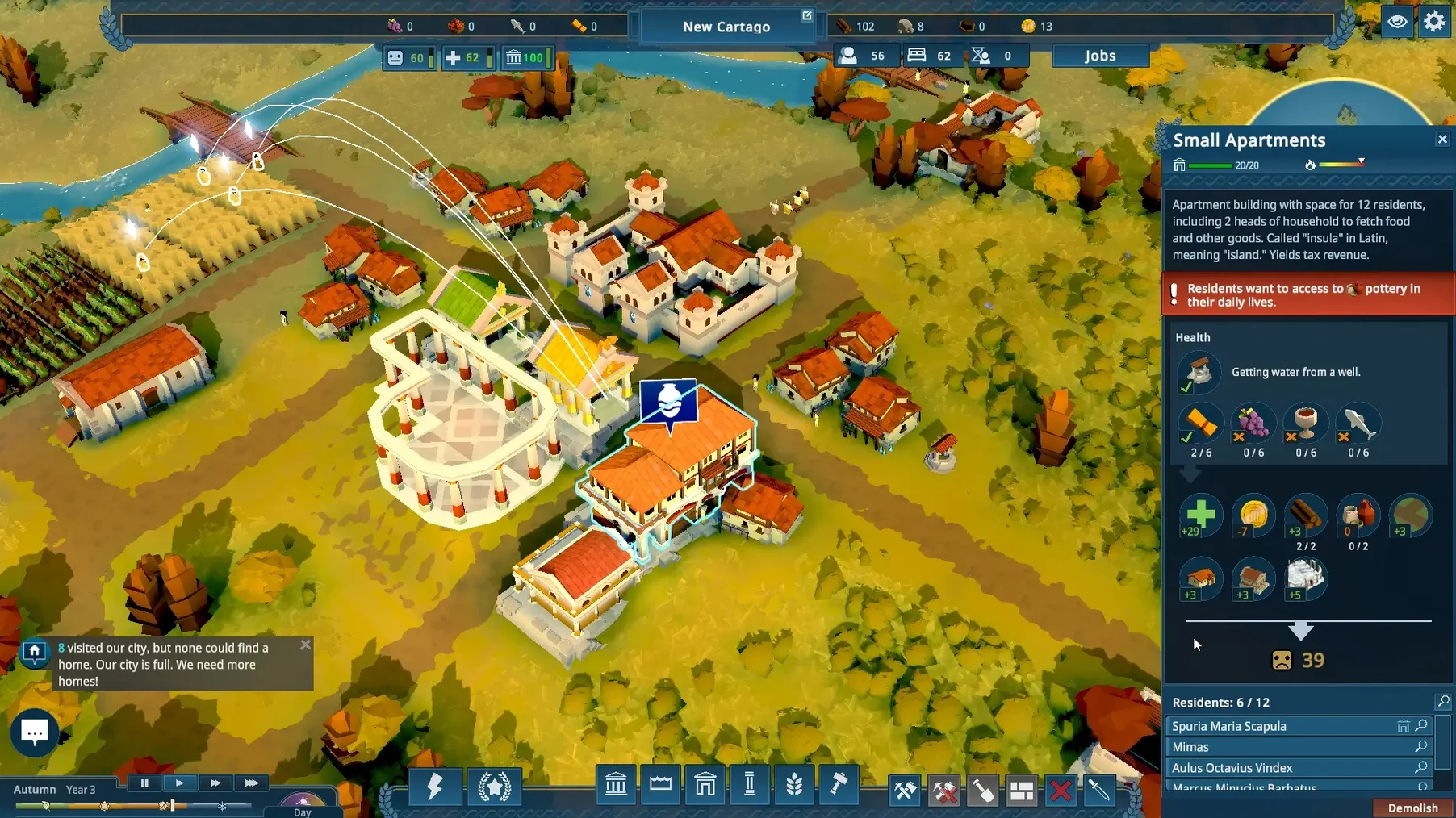
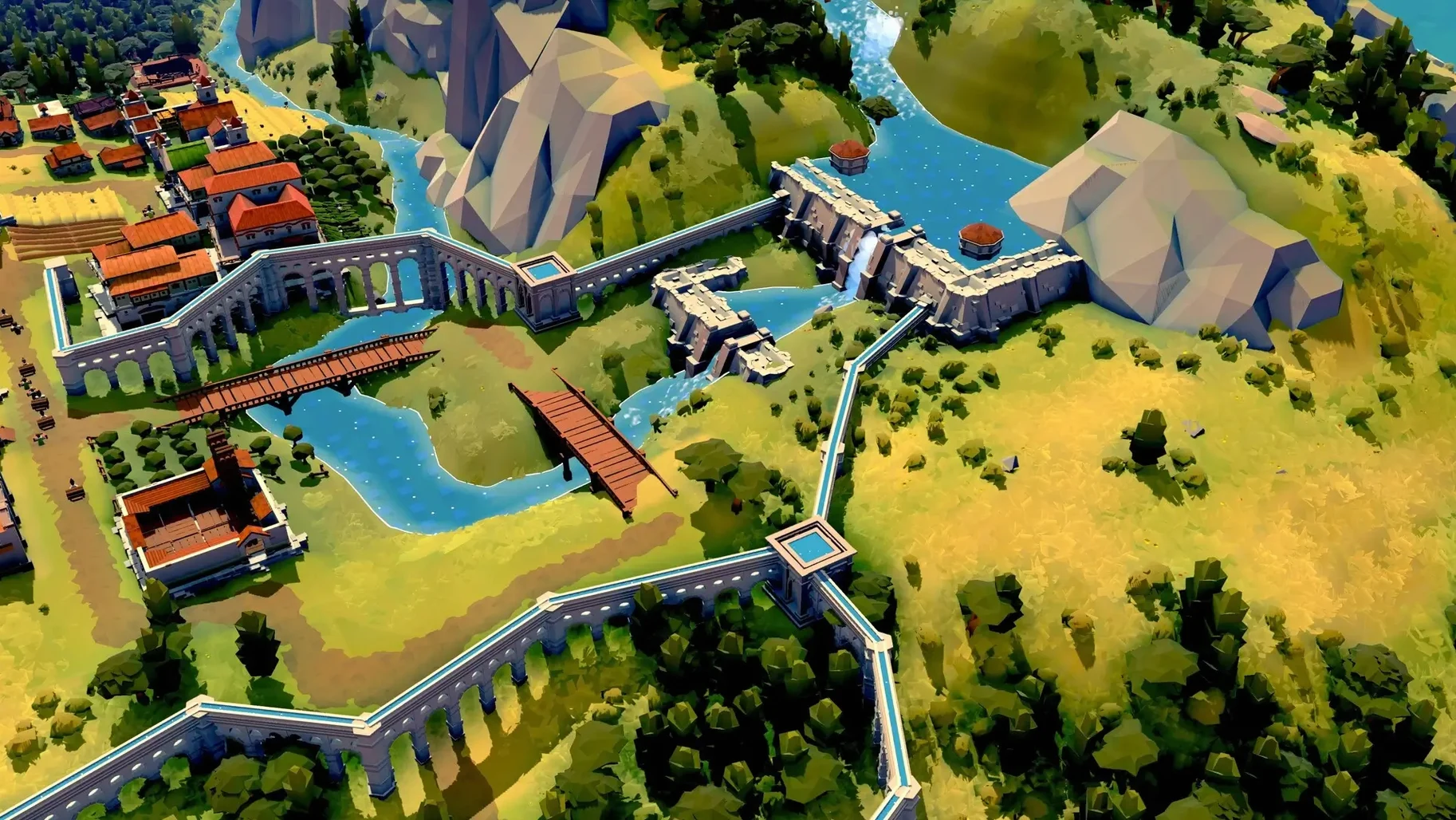
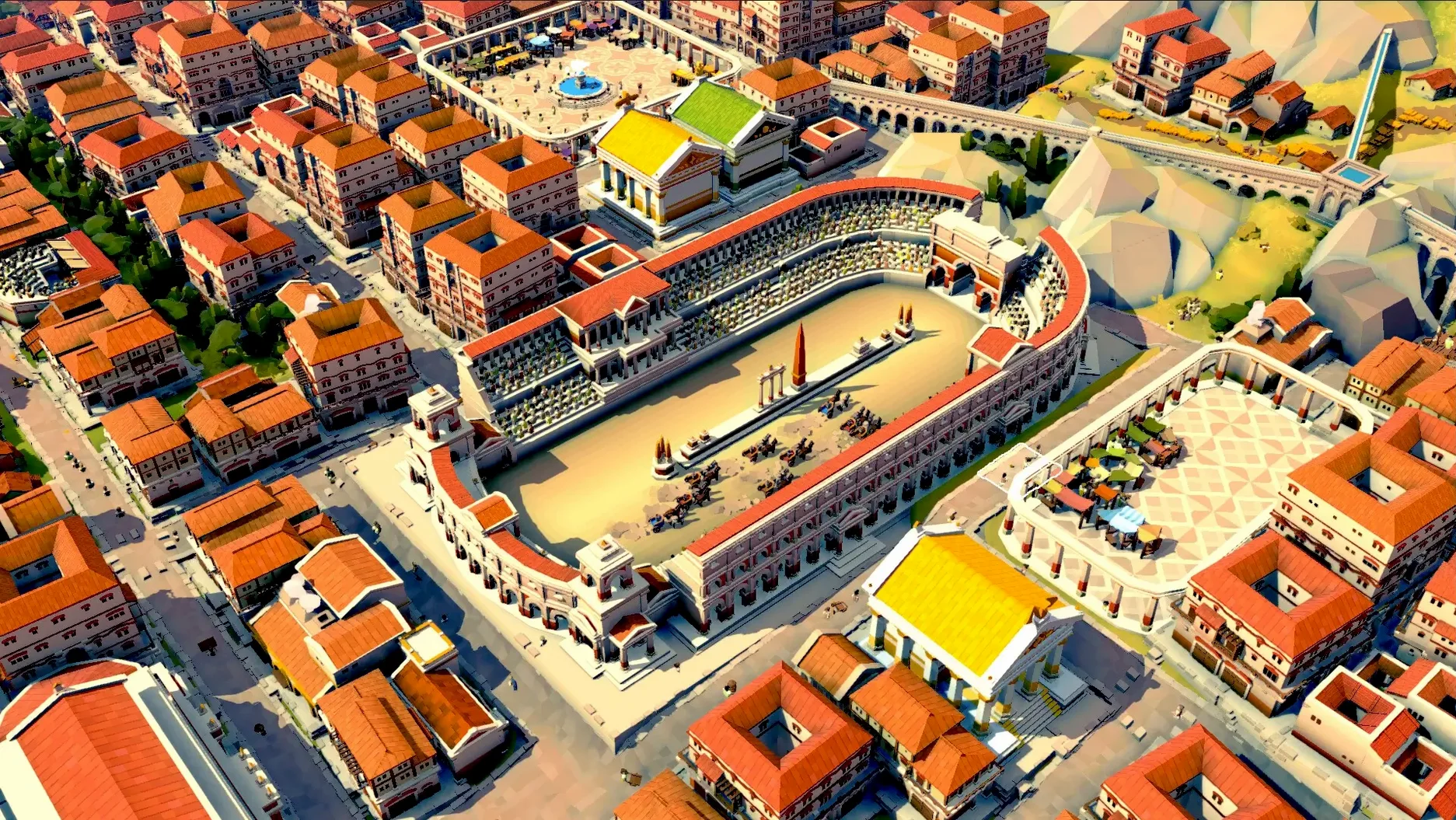
Nova Roma is a Roman city-building game where glory depends on keeping citizens fed, the gods happy, and the treasury full. Here's the rhythm of running a fledgling settlement minute to minute.
- Survey the land. Landscape and hydrodynamics matter — place your first dam where a river actually flows, or your farms will starve before the first harvest.
- Secure bread and wine. Hungry citizens don't work, so supply chains for basic food come before monuments. Get production flowing, then tax it.
- Enact laws. A simple decree can steer idle hands toward labor, boost morale, or squeeze more coin from markets. Laws shape behavior without micromanaging every citizen.
- Train specialists. Build a gladiator school, a craftsman's workshop, or a theater for actors. Each draws crowds, generates income, or pleases a different god.
- Build temples and aqueducts. Weather can ruin crops, and angry gods bring trouble. Aqueducts move water across elevation, while temples keep divine favor in your corner.
- Develop technology. Invest in breakthroughs to refine farming, construction, or entertainment — the edge a small city needs to outlast rivals.
The loop tightens as the city grows: juggle taxation against happiness, watch a drought test your reservoirs, and decide whether the treasury funds a new temple or a gladiator spectacle. Every session writes a different story shaped by terrain, weather, and the choices you'd actually make as governor.
When Water Physics Punish Poor Planning
City-builder veterans who've grown bored with paint-by-numbers progression will find their sweet spot here. If you've ever wished Caesar III had water physics that actually punished poor planning, Nova Roma scratches that itch. The game rewards players who enjoy systems that talk to each other — irrigation feeds farms, farms feed citizens, citizens pay taxes, and taxes fund the aqueduct that keeps the whole chain alive. Break one link and you feel it downstream within minutes.
Fans of historical settings get an extra layer of satisfaction. The divine favor system isn't just a cosmetic Roman skin; ignoring a temple to Mars when gladiator morale dips, or forgetting Ceres before harvest season, has concrete consequences that shape a session. Players comfortable with early access titles also thrive here — version 0.7.2703 already has meat on its bones, but you'll need patience for the occasional rough edge that a finished city-builder would've sanded down.
Mac users on Apple Silicon and Intel alike run the build natively, so the simulation doesn't chug when your aqueduct network spans half the map. That dual-architecture support means even older Intel machines keep the frame rate playable as the citizen count climbs.
A Shrine to Jupiter Before the First Mill
You start with a handful of families on a hillside overlooking a river bend. The first twenty minutes are humble: a wheat farm near the water, a dirt path to a mill, and a small shrine to Jupiter because you've learned the hard way that divine neglect invites crop blight. A dam goes up where the river narrows — misjudge the elevation by a single tile and the reservoir won't fill, so you triple-check the terrain before committing.
By the hour mark, you've passed laws that nudge citizens toward craftsmanship, and the clink of coins from the tax collector means you can afford a gladiator school. Training its first fighters eats into your bread surplus — gladiators consume rations like nobody's business — so you expand the farms and build a second bakery. A drought hits around year three. Your reservoir holds, but barely, and you spend ten minutes frantically researching irrigation upgrades while wine production stalls.
The session ends with a decision that defines the city's character: the treasury can cover either a grand amphitheater for the actors you've trained, or a network of aqueducts to insulate the outer farms from the next dry season. You pick the aqueducts. The actors grumble. Mars is unimpressed. But the farms survive the next summer, and that's the kind of trade-off that keeps you clicking "next year" until midnight sneaks up.
Beginner Stumbles to Sidestep
Overbuilding temples too early. Marble looks impressive, but a grand shrine to Neptune won't feed anyone. Beginners often blow their starting resources on divine real estate while citizens go hungry. Start with the smallest shrine that keeps the relevant god placated, then upgrade once the granaries are full.
Ignoring hydrodynamics. The game's water system isn't decorative. Placing a dam where the river is too wide, or routing an aqueduct against the terrain's natural slope, yields empty channels and dead crops. Study the elevation map before laying a single stone — the landscape doesn't negotiate.
Neglecting law synergy. Enacting laws in isolation is a common trap. A tax increase without a morale-boosting decree about entertainment breeds resentment. A law pushing citizens toward gladiator training fails if you haven't built the school yet. Read each law as part of a chain, not a standalone switch.
Expanding faster than your supply chains. Plopping down new housing blocks before the bakeries and vineyards can support them creates a wave of unhappy, unproductive citizens. Grow the supply chain first, then invite more mouths. It's the least Roman instinct — build, then populate — but it keeps a city stable through its awkward teenage years.
- Runs on Intel and Apple Silicon Macs
Questions people ask
What do citizens need to stay productive?
Citizens require a steady supply of bread and wine, along with laws that keep order. Neglecting either disrupts labor across the entire city.
How do aqueducts and dams work?
The game simulates hydrodynamics and elevation, so aqueducts must respect the landscape. Dams store water for dry seasons, and a well-placed channel can irrigate farms miles away.
What kind of specialists can I train?
You can train gladiators for entertainment, craftsmen for production, and actors for culture. Each specialist building attracts visitors and generates its own revenue stream.
Also on readers' docks
Sign in or create an account to leave a comment.
No comments yet. Tell me how it got on with your other devices.